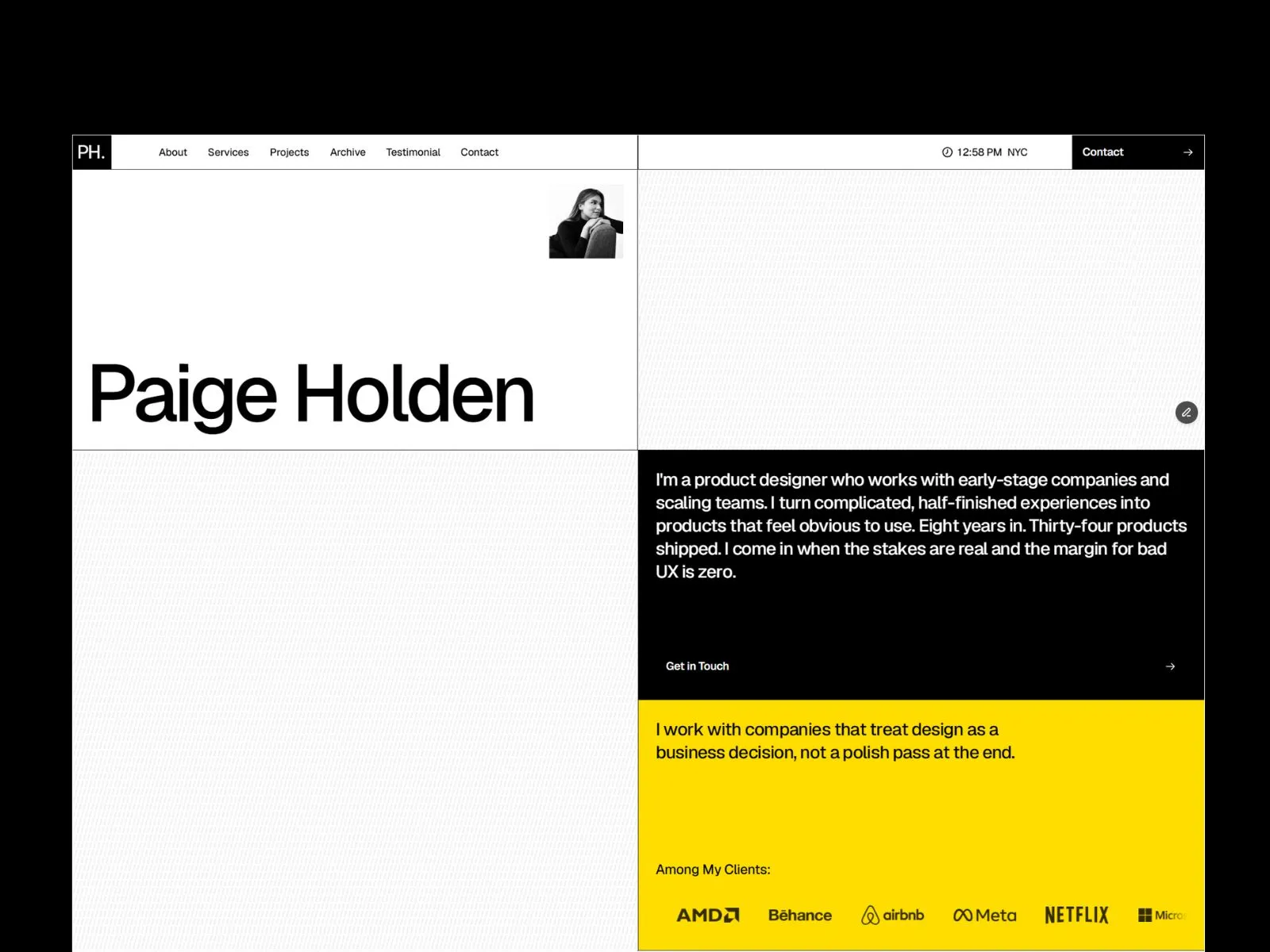
One study analyzed 500 therapy practice websites across the US and Canada and found that roughly 80% were actively working against the owner’s practice goals. Outdated design, no mobile optimization, buried contact forms, slow load times. The site was live, but the practice wasn’t growing.
Your theme is the foundation of all of it. Get it wrong and no amount of good copy or Google Ads spend fixes the problem. This post covers the best WordPress themes for therapists, what to actually look for before you choose one, and which situations call for which type of theme.
What therapists actually need from a WordPress theme
Most therapy website guides focus on aesthetics: calming colors, soft imagery, “professional” design. That stuff matters, but it’s not what separates a site that books clients from one that doesn’t.
Here’s what actually matters.
A design that builds trust before someone reads a single word
Potential therapy clients are already anxious. They’re looking for a reason to trust you, and they’re also looking for a reason to click away. Your homepage has seconds to signal that you’re credible, approachable, and worth contacting.
That means clean layout, readable fonts, real photography where possible, and a clear sense of who you help. A theme with cluttered demo content or design elements that look busy works against that goal from the start. Check out these therapist website design tips that increase client inquiries for a deeper look at what the high-converting layouts actually have in common.
Appointment booking compatibility
Clients shouldn’t have to email you to schedule a session. Whichever theme you choose, make sure it works cleanly with booking plugins like Amelia, Simply Schedule Appointments, or Calendly embeds. Most modern themes handle this without friction, but niche ThemeForest themes sometimes have conflicts with third-party plugins. Worth checking before you buy.
Page speed that doesn’t tank your rankings
Google uses Core Web Vitals as a ranking signal. A slow site doesn’t just frustrate visitors; it costs you search positions. The average therapy client searches “therapist near me” or “[specialty] therapist [city]” and picks from the top few results. You need to be there.
This is where theme choice directly affects your SEO. Bloated themes with heavy JavaScript, large CSS files, and unnecessary page builder overhead slow everything down. A theme that loads in under two seconds out of the box is a much better starting point than one that needs aggressive optimization just to hit the minimum.
If you’re thinking through whether WordPress is the right platform for your practice in the first place, this overview of WordPress for therapist websites is worth reading before you go further.
Mobile-first layout
More than half of therapy website traffic comes from phones. If your theme isn’t genuinely mobile-optimized (not just “responsive”), then a significant portion of potential clients are hitting a broken or frustrating experience. Test on an actual phone before you commit to any theme.
The best WordPress themes for therapists
Astra
Astra is the most widely used premium WordPress theme for a reason. It’s lightweight (under 50KB without a page builder), loads in around 1.4 seconds on clean installs, and plays well with every major builder, including Elementor and Gutenberg. For therapists, that means you can start with one of its healthcare or wellness starter templates and build something that actually looks like your practice rather than a generic clinic.
The free version is genuinely useful. Most therapists won’t need the premium tier unless they want the advanced header builder or specific WooCommerce features for selling session packages.
Astra doesn’t have a therapy-specific demo out of the box, so you’ll spend some time customizing. That’s a trade-off. The upside is that your site won’t look like 200 other therapist sites using the same niche theme. Pair it with Elementor and you have full design control without writing a line of code.
Price: Free. Pro from $47/year.
Best for: Therapists who want a fast, flexible foundation and are comfortable doing some customization or who are working with a designer.
Blocksy
Blocksy is one of the fastest themes available right now. It loads in under 800 milliseconds on GTMetrix benchmarks and passes Core Web Vitals without much additional work. It’s built with Gutenberg in mind but works with Elementor and Brizy too.
What makes it worth considering for therapists specifically is the design quality of its free starter templates. The layouts are clean and modern without being clinical. The customizer gives you granular control over headers, footers, and typography without needing a page builder at all for basic setups.
The free version is solid. Blocksy Pro (around $69/year for a single site) unlocks hooks, custom post types, and some advanced WooCommerce features that most solo therapists won’t need.
Price: Free. Pro from $69/year.
Best for: Therapists who want speed out of the box and prefer working in the native Gutenberg editor over a third-party builder.
Kadence
Kadence hits a balance that a lot of the others don’t: genuinely good free starter templates, a clean design system with global colors and fonts, and a header/footer builder that most themes charge you for.
The color palette system is a real time saver. Change one global color and it updates across the entire site. For therapists who want to match a brand palette without digging into CSS, that’s useful. Kadence also has its own blocks plugin that adds layout options most solo practitioners actually need: testimonial blocks, call-to-action sections, and icon lists.
The starter templates include wellness and coaching-adjacent designs. None of them are labeled “therapist,” but the calm, professional aesthetics transfer well. Import one, swap the copy, adjust the palette, and you’re 80% of the way there.
Price: Free. Pro from $79/year (includes a theme, blocks pro, and support).
Best for: Therapists who want a complete ecosystem in one place and don’t want to stitch together multiple plugins to get a functional site.
GeneratePress
GeneratePress is the performance purist’s choice. The default theme file is under 10KB. No bloat, no demo content loading on install, no JavaScript dependencies you don’t explicitly add. It consistently scores at the top of every speed benchmark test.
The trade-off is that GeneratePress is minimal by design. You’re getting a clean foundation, not a ready-to-deploy site. The premium version adds a site library with starter templates, a full site builder, and advanced customization options. Without that, you’re building from scratch, which is fine if you’re a designer or developer but less ideal if you’re a solo therapist who just wants something live.
For practices where SEO performance is the priority and you have someone technical handling the build, GeneratePress is hard to beat. It’s also a good match for therapists who want a custom site done right but don’t want to pay agency rates. Check out what’s included in a therapist’s website design project if you’re thinking about having it built for you.
Price: Free. Premium $59/year or $249 lifetime.
Best for: Performance-focused builds where the person setting it up has some technical comfort, or where a designer/developer is involved.
Bricks Builder
Bricks is different from the others on this list. It’s not a traditional theme in the WordPress sense. It’s a visual site builder that replaces both your theme and your page builder. You build everything visually with full control over every element on the page.
For therapists, the appeal is a site that looks completely custom without needing to write custom code. For the person building it, the appeal is a clean output that doesn’t produce the shortcode mess that Elementor sometimes does and that performs well on speed tests.
The learning curve is steeper than Astra or Kadence. If you’re a therapist building your own site for the first time, Bricks is probably not where you want to start. If you’re working with a designer, ask if they work in Bricks. Designers who use it tend to be serious about performance and clean code, which is a good sign for your site long-term.
Price: $79/year or $299 lifetime (unlimited sites).
Best for: Therapists working with a web designer who uses Bricks or technically confident practice owners who want maximum design control.
Mindy (ThemeForest)
Mindy is the one niche-built option on this list worth considering. Built by WebGeniusLab, it’s designed specifically for therapy and counseling websites, with pre-made layouts for services pages, team pages, FAQ sections, and appointment booking.
The design is genuinely good. The demo layouts have a calm, professional feel that fits the therapy context without looking like a generic healthcare site. It’s built on Elementor, so customization is drag-and-drop. The WGL framework adds header builder and animation options that most free themes don’t include.
The honest trade-off with any niche ThemeForest theme is flexibility. Mindy is optimized for therapy sites, which means if your practice expands in a different direction or your brand evolves significantly, you may run into limitations. It’s also heavier than Astra or GeneratePress by default because of the built-in features, so you’ll want a caching plugin from day one.
That said, if you want something that looks like it was made for your profession and you want to leave quickly, Mindy is a solid choice. Purchase it directly on ThemeForest.
Price: Around $59 (one-time, ThemeForest).
Best for: Therapists who want a purpose-built design and are happy to trade some flexibility for a faster starting point.
Do you actually need a therapy-specific WordPress theme?
Probably not.
Mindy looks great and gets you there faster if you’re building it yourself. But Astra, Blocksy, Kadence, and GeneratePress can all produce therapy websites that look just as professional, load faster, and give you more flexibility as your practice grows.
The niche theme makes sense if you’re a solo therapist setting up your own site with no design background and you need something polished out of the box. The multipurpose theme makes sense if you care about performance, long-term flexibility, or you’re working with someone who knows what they’re doing.
If you’re unsure which direction to go, this breakdown of custom websites vs. templates for therapists covers the decision in more depth.
What page builder should therapists use?
If you’re on Astra, Kadence, or Blocksy, the default Gutenberg editor works well for basic sites. Kadence Blocks in particular adds enough layout options that many therapists never need a separate page builder.
For more visual control, Elementor is still the most widely used option and has the largest ecosystem of templates and add-ons. It adds some page weight but nothing that a caching plugin and decent hosting can’t offset.
Bricks Builder is the best option if clean code and performance matter to you and you’re willing to learn a new interface, or if your designer already uses it.
Avoid loading more than one page builder on the same site. That’s a fast way to end up with a slow site, plugin conflicts, and a mess that’s hard to maintain. Check the WordPress maintenance services page if you want someone keeping your site clean and updated after it’s built.
FAQ
What’s the best free WordPress theme for a therapy practice?
Astra and Blocksy are the two strongest free options. Both are fast, well-supported, and have starter templates you can use as a starting point. Kadence’s free version is also genuinely good, especially with the free Kadence Blocks plugin installed. None of them have a therapy-specific demo, but all three can produce professional therapy sites without paying for premium.
Can I change my WordPress theme later without breaking my site?
Yes, but it depends on how you built the original site. If you used a page builder like Elementor, your content is somewhat tied to that builder’s output. Switching themes is usually straightforward, but switching page builders often means rebuilding pages from scratch. That’s worth factoring in when you choose your stack at the start.
How much should a therapist WordPress theme cost?
Multipurpose themes like Astra and Kadence run from $47 to $79 per year for premium. Niche ThemeForest themes like Mindy are typically a one-time cost of $49 to $79. Bricks Builder is $299 lifetime for unlimited sites, which makes it good value if you’re managing multiple practice sites or working as a designer.
Free options are genuinely usable. You don’t need to spend money on a theme to get a professional result, especially if you’re pairing it with a good page builder and real photography.
Is Elementor worth it for a therapy website?
For most therapists building their own sites, yes. Elementor’s drag-and-drop interface makes it possible to build a professional layout without any coding knowledge. The free version is functional, though Elementor Pro ($59/year) adds the Template Library, form builder, and popup builder that most practice sites end up needing.
The alternative is sticking with Gutenberg and Kadence Blocks, which is increasingly capable and noticeably faster. If you’re comfortable with a slightly more structured editing experience, that’s worth trying before committing to Elementor.
Your theme choice matters less than your content, your photography, and whether potential clients can find your contact form in two clicks. But starting with a fast, clean theme means you’re not fighting your own foundation. That’s the practical reason to spend some time here before going live.
If you want a therapy website built with performance and client conversion in mind, get in touch and take a look at the therapist website design service to see what that looks like in practice.