You’re a therapist. You’re good at what you do. But when a potential client Googles your name or searches for a therapist in your city, what do they find? If your website looks like everyone else’s or barely shows up at all, you’re already losing people before they ever read a word about your approach.
The choice between a custom website and a template isn’t just a design decision. It’s a business decision. This post breaks down what each option actually means for a therapy practice, where the money goes, and which route makes more sense depending on where you are in your business.
What “Template Website” Really Means for a Therapist
A template website is a pre-built design you drop your content into. Platforms like Psychology Today’s profile page, TherapySites, Squarespace, or Wix all offer some version of this. You pick a layout, fill in your bio, and upload a headshot, and you’re live.
On the surface, it sounds perfect. It’s fast, it’s cheap, and you don’t need to know anything about design or code.
But here’s the problem: thousands of other therapists are using the same layouts. The same fonts, the same section order, the same stock imagery of people sitting across from each other in a warmly lit office.
Potential clients visiting multiple sites in one afternoon start to blur together, and your practice doesn’t stand out at all.
Template sites also come with structural limits. Most don’t let you adjust page structure, load speed, or the technical side of SEO. You’re renting space on someone else’s system, which means you play by their rules.
That said, templates aren’t useless. If you’re brand new to private practice, you need something online fast, and your budget is tight, a simple template site can hold the line until you’re ready to invest properly.
What a Custom Therapy Website Actually Gives You
A custom website is built from scratch around your practice. The design reflects your approach, your voice, and the kind of clients you want to attract. Nothing is borrowed from a generic library.
For therapists specifically, the first impression on your website matters more than in almost any other field. Someone searching for a therapist is often already in a vulnerable place. They need to feel something the moment they land on your site. Calm. Safety. Confidence that you understand what they’re going through. That feeling is hard to manufacture with a template someone else designed for a travel agency or a yoga studio.
A good custom website for a therapist typically covers:
- A homepage that speaks directly to the kinds of people you help
- A clear, reassuring explanation of your approach and what to expect
- A simple booking or inquiry path that doesn’t create friction
- Mobile-first design (most people searching for therapists are on their phone)
- On-page SEO built into the structure from day one, not bolted on after
The difference between a therapist who gets regular inquiries from their website and one who doesn’t is usually down to two things: how the site is built and how clearly it speaks to the right people.
The Real Cost Comparison
This is where most therapists get confused, so let’s be direct about it.
Template route: You might pay anywhere from $0 to $30 a month for a DIY template platform. But you’re also spending your own time building it, troubleshooting it, and updating it. For a therapist charging $100 to $200 per session, spending 15 hours wrestling with a website builder costs you more than hiring a professional.
Custom website route: I build a custom therapy website that starts at $999 as a one-time payment for up to 10 fully designed pages, on-page and technical SEO, a booking or inquiry form, and free training so you can manage it yourself. There’s also a managed plan at $80 per month (plus a $180 setup fee) if you’d rather hand everything off and focus on your clients.
That $999 one-time investment becomes extremely cost-effective the moment it brings you even one or two new long-term clients. The managed plan makes particular sense for therapists who don’t want to think about their website at all once it’s live.
You can see the full breakdown on the pricing page.
Why SEO Matters More Than You Think
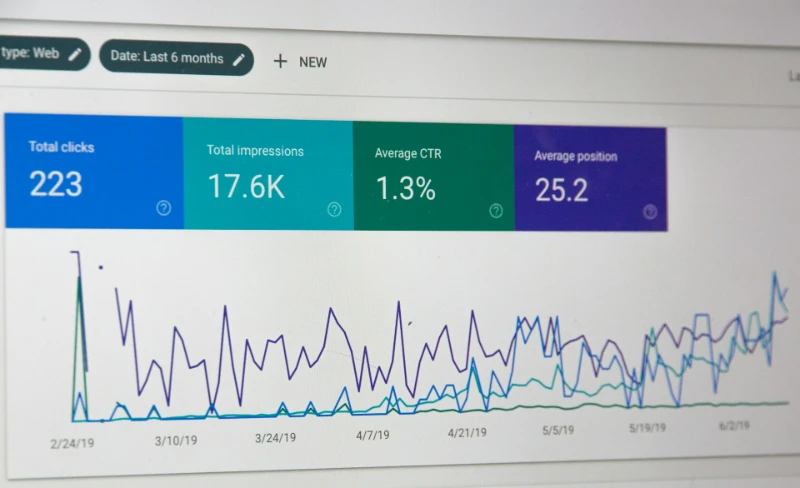
Here’s something most therapists don’t realize when they’re just starting out: Google doesn’t care how pretty your website is. It cares about how it’s structured.
Template websites typically have poor technical foundations. Pages load slowly, heading structures are messy, and the platform’s code is bloated. These are all signals that push your site lower in search results.
A custom-built site can be structured properly from the beginning. Clean code, fast load times, title tags and meta descriptions written around the keywords your potential clients are actually searching for. Things like “therapist for anxiety in [your city]” or “online therapy for trauma.”
When someone searches for a therapist in your area, the practices that show up on page one aren’t necessarily the most qualified. They’re the ones with websites built to be found.
Template vs Custom: A Side-by-Side Look
| Features | Template | Custom (My Pricing) |
|---|---|---|
| Time to launch | Fast (days) | Moderate (1–3 weeks) |
| Upfront cost | Low | Moderate ($999 one-time) |
| Long-term cost | Monthly platform fees | Low (just hosting) |
| Design flexibility | Limited | Full |
| SEO potential | Weak | Strong |
| Stands out from competitors | Rarely | Yes |
| Ownership | Platform-dependent | Yours fully, |
When a Template Makes Sense
To be fair, a template website isn’t always the wrong call. It might work if:
- You’re testing the idea of private practice before committing
- You need something online this week and can upgrade later
- Your referral network is strong and your website is just a secondary check
But if you’re relying on your website to actually generate client enquiries and you want to show up in Google searches from people who don’t already know you, a template is almost always holding you back.
What Good Therapist Website Design Actually Looks Like
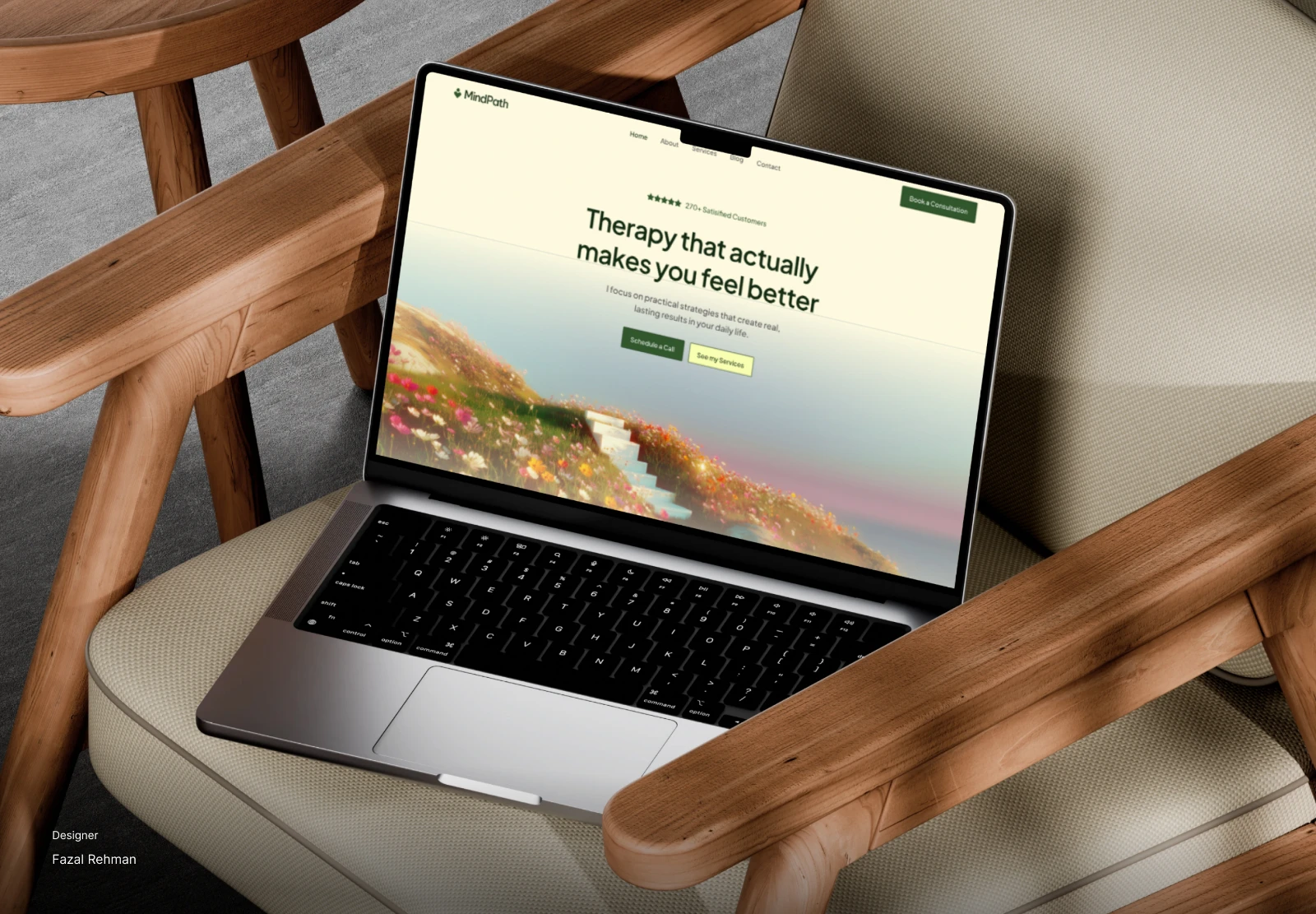
The MindPath Therapy project is a good example of what a purpose-built therapy website can do. The design prioritizes calm and clarity. Every element on the page is there to reduce hesitation and make the next step obvious. That’s what conversion-focused design means in practice: not flashy, just intentional.
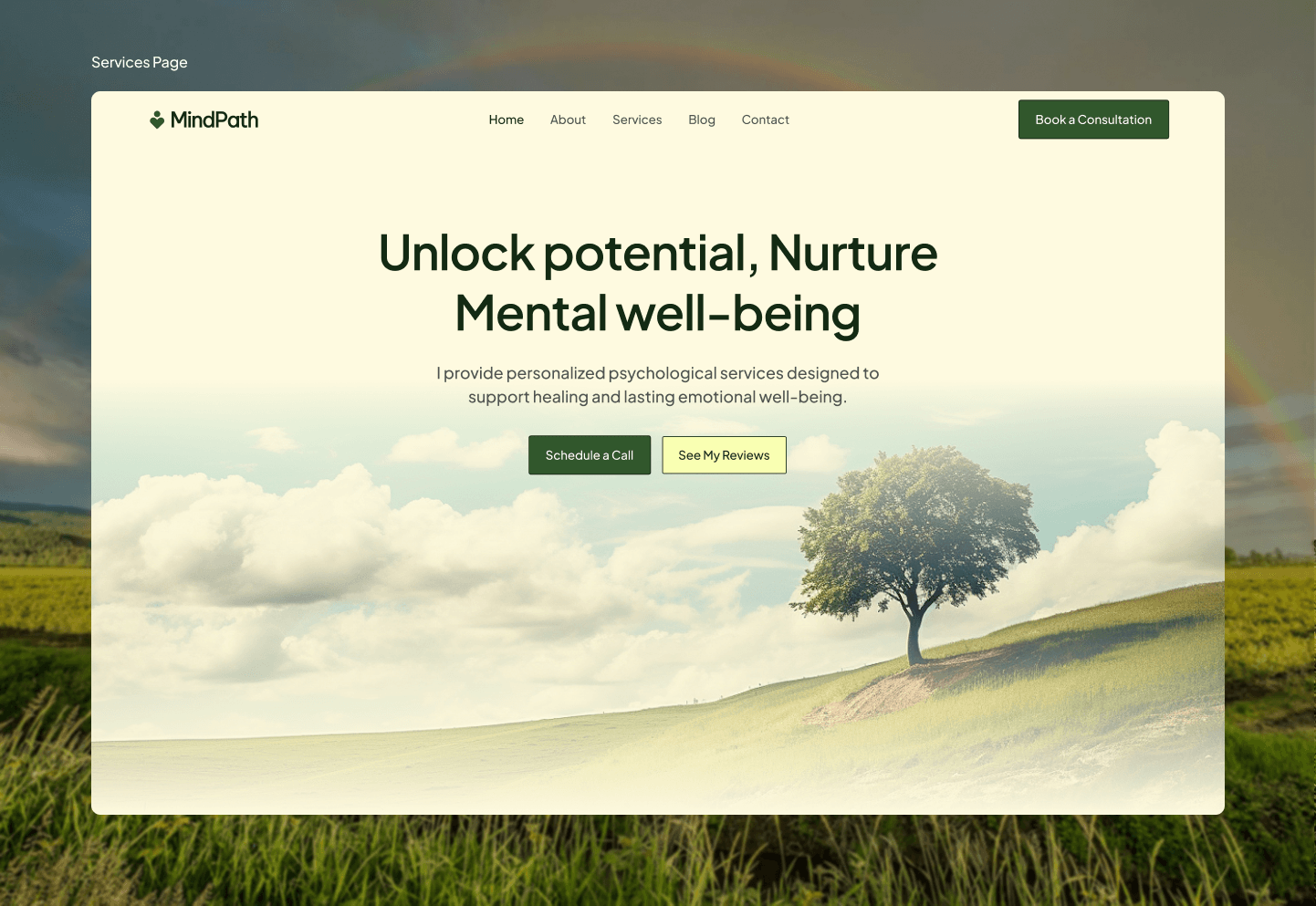
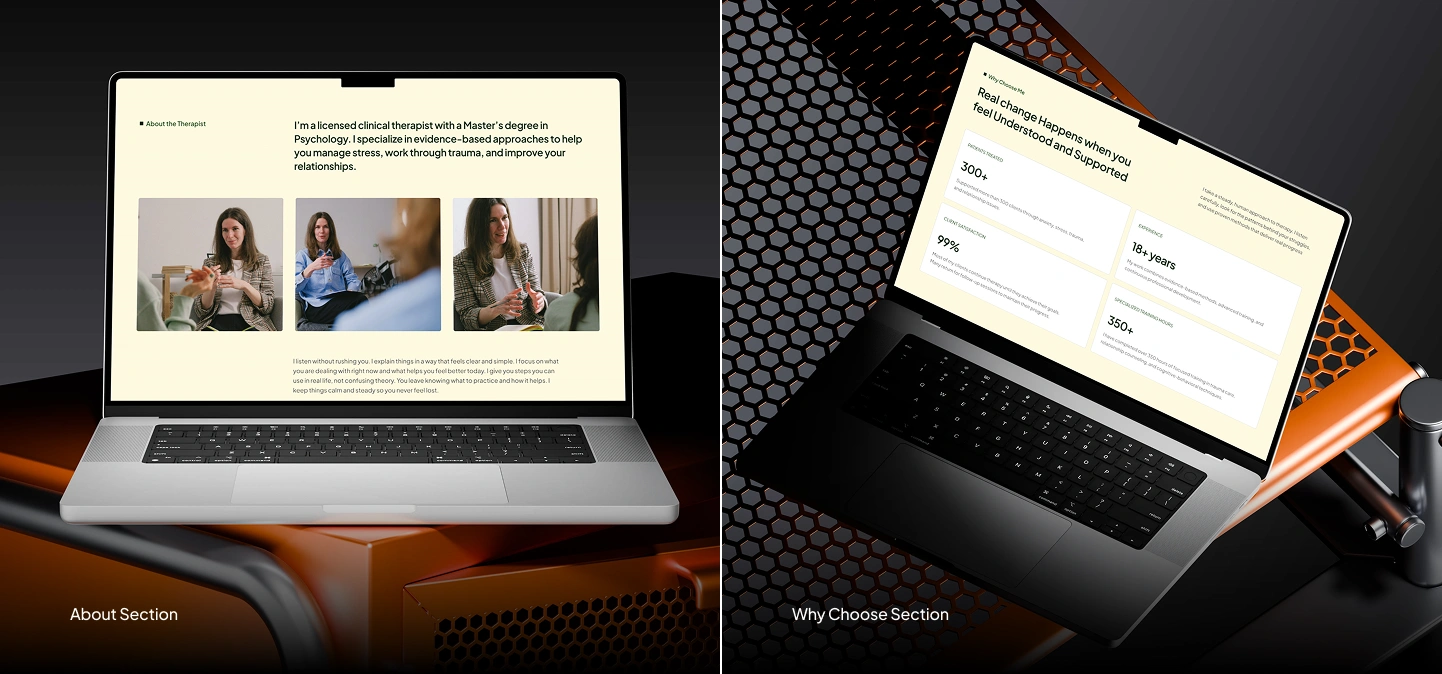
A well-designed therapy website isn’t trying to impress. It’s trying to reassure. It answers the questions a nervous potential client has before they even think to ask them. It makes booking feel easy, not clinical. And it does all of that without being loud about it.
The Trust Factor
Therapists work in one of the few industries where trust is the entire product. A client isn’t buying a pair of shoes they can return. They’re deciding whether to be vulnerable with another human being. That decision often starts on your website.
A generic template signals, consciously or not, that you haven’t invested much thought into the client experience before they even walk through the door. A custom site signals the opposite.
This isn’t about ego or aesthetics. It’s about what the design communicates before a single word is read.
What About DIY on WordPress?
WordPress is a reasonable platform for therapists who want full control over their site long-term. But “DIY WordPress” is not really a beginner-friendly option. Getting hosting, a theme, the right plugins, and actually making it look professional takes real time and technical patience.
If WordPress is the right fit for your practice, working with someone who specializes in therapist website design means you get the platform’s flexibility without spending weeks figuring it out yourself.
The Bottom Line
If your goal is to have a website that exists, a template will get you there. If your goal is to have a website that actually grows your practice, a custom build is almost always the better investment.
The therapists consistently getting inquiries from their website aren’t lucky. They have a site that was built to be found, built to be trusted, and built to make the next step easy for someone who’s already a little nervous about reaching out.
Ready to Build a Website That Works for Your Practice?
If you’re a therapist thinking about getting a proper website built, or you already have one that isn’t doing much for you, get in touch here. Custom therapy websites start at $999 one-time, or $80 per month on the managed plan. Either way, the goal is the same: a site your next client is glad they found.