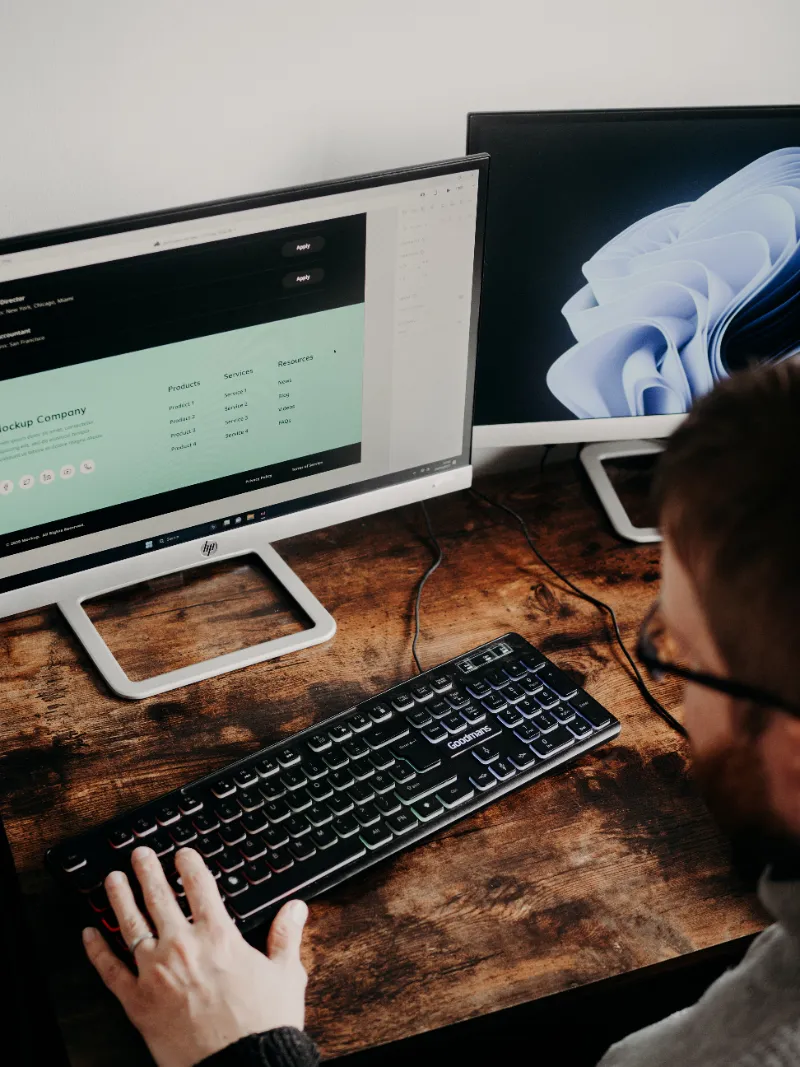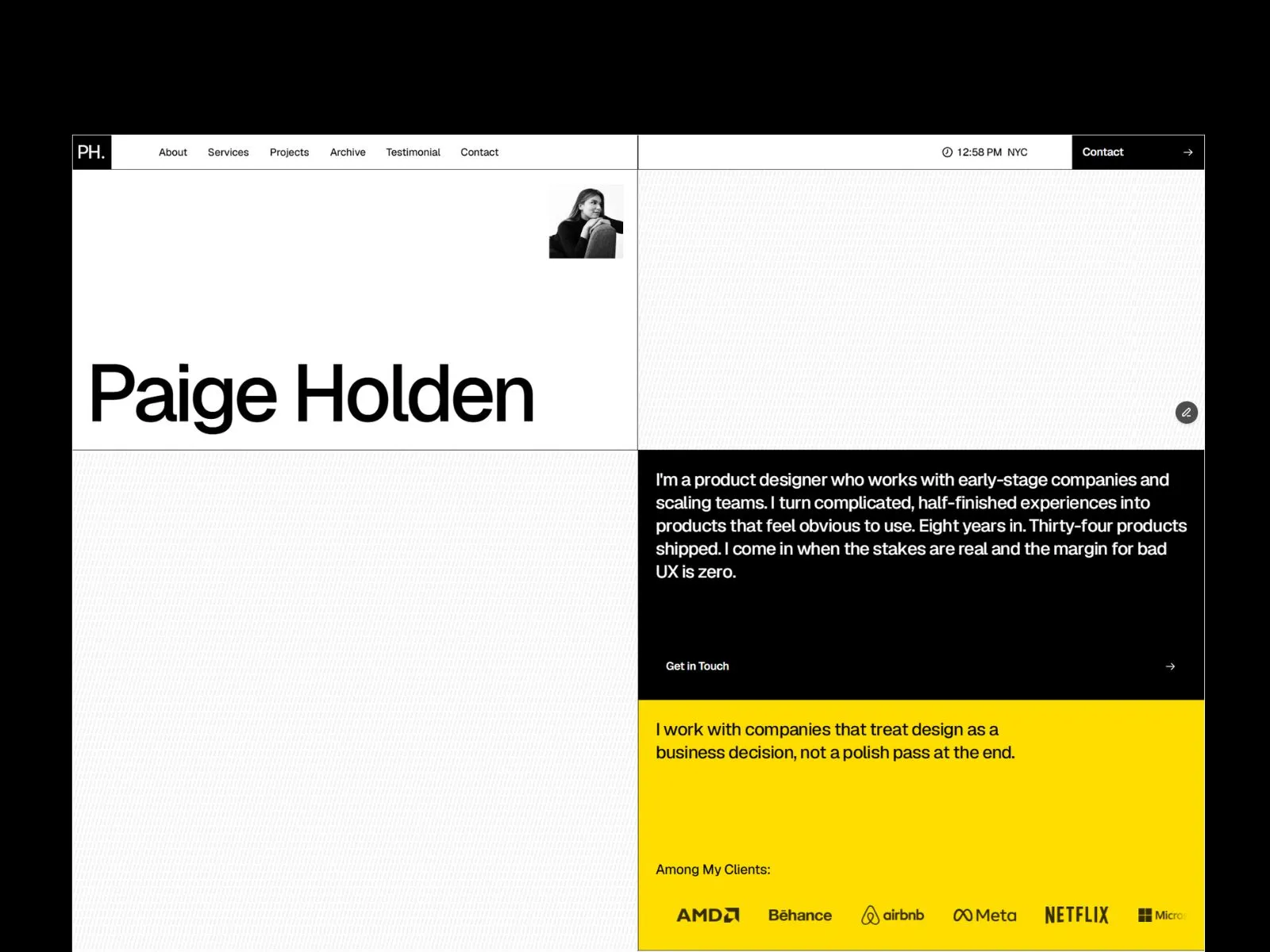
When a client decides to seek help, they usually look online first. Your website is their very first interaction with your practice. If it feels confusing, slow, or outdated, they will leave and find another provider.
94% of visitors say poor web design damages their trust in a business. For a therapy practice, trust is everything.
A simple, fast, and secure site brings in more clients than a flashy, complex one. Building a high-converting therapy website does not require a massive budget. It just requires a clear process.
This 7-step guide walks you through exactly how to build a site that connects with clients and ranks well on Google.
Step 1: Define Your Therapist Branding
Before you pick colors or fonts, you need a clear message. Who do you help? What makes your approach different?
Your therapist branding should speak directly to your ideal client. If you treat anxious teens, your site should feel approachable and modern. If you offer executive coaching, it should look sharp and professional.
Do not try to speak to everyone. A private practice website that targets everyone usually connects with no one. Keep your homepage headline focused on your main specialty and the specific problem you solve.
Step 2: Choose the Right Therapy Website Builder
You do not need to learn how to code to build a great site. Many platforms make counselor website design simple and fast.
WordPress is excellent for custom designs and SEO for therapists. It gives you total control over your layout and content. However, it requires a bit of ongoing maintenance.
If you want something easier to manage, look for a dedicated therapy website builder like Brighter Vision or SimplePractice. You can also use platforms like Squarespace. They offer professional therapist website templates that you can launch in a single weekend.
Explore the best website builders for therapists.
Step 3: Make Your Site Easy to Navigate
A stressed client does not want to click through five menus to find your rates. Keep your navigation simple.
Include these core pages:
- Home: Who you help and how.
- About: Your background and therapeutic approach.
- Services: Clear details on what you offer.
- Contact: Exactly how to reach you.
Effective web design for mental health professionals is all about removing friction. Put your contact or booking button in the top right corner. Make it stand out with a distinct color.
Step 4: Ensure Your Site is Fast and Mobile-Friendly
Over half of your visitors will look at your site on their phones. If the page loads slowly, they will click back to the search results.
Site speed directly impacts your Google rankings. Google’s data shows that 53% of mobile users abandon a page that takes longer than three seconds to load.
Compress your images before uploading them. Do not use heavy video backgrounds. Make sure your text is large enough to read on a small screen without the user needing to zoom in.
Step 5: Add Online Booking for Therapists
Clients often look for therapists late at night or during stressful moments. They may not want to make a phone call and leave a voicemail.
Offering online booking for therapists solves this problem. It allows a client to schedule a consultation immediately while they feel motivated to act.
Make sure any booking tool you use connects securely to your practice management system. This keeps your schedule accurate and prevents accidental double bookings.
Step 6: Ensure Your Site is a HIPAA Compliant Website
Protecting client data is a legal requirement. Standard contact forms on basic websites do not meet healthcare privacy standards.
If clients send personal health information through your site, you need a HIPAA compliant website. This means using secure forms and encrypted email systems.
Tools like Hushmail or specialized therapy platforms provide compliant contact forms. Never ask for detailed medical history on a simple web form. Keep initial inquiries brief.
Step 7: Optimize Your Site for Google Search
A beautiful site only works if people can actually find it. Psychotherapy websites need strong local SEO to show up when people search for help in your city.
Use keywords naturally in your page titles and headers. For example, use “Anxiety Therapist in Chicago” instead of just naming a page “Services.”
Patient feedback also influences local search. According to recent data from rater8, 84% of patients check online reviews before choosing a healthcare provider. Connect your Google Business Profile to your site to build authority and tell Google exactly where you are located.
What Mistakes Should You Avoid?
Many therapists make the exact same errors when building their sites. They write too much academic text. They hide their fees. They use generic stock photos of rocks stacked on top of each other.
Use real photos of yourself and your office space. Write like you speak in a session. Focus your website copy on the client’s problem, not just your academic degrees.
A client wants to know if you understand them. Your credentials build initial trust, but your empathy wins the booking.
Does a Custom Design Bring More Clients?
Not always. A custom design looks unique, but structure and speed matter more than a fancy layout.
If you have a tight budget, start with good website templates. You can upgrade to a custom build later as your practice grows and your income stabilizes.
The goal is to get your site live so Google can start crawling it. Do not let the pursuit of a perfect design delay your launch by six months.
Bottom Line
Professional website design for therapists is about clarity, speed, and trust. You are building a digital waiting room for your private practice.
Follow these seven steps to build a site that reflects your expertise. Make it easy to read, simple to navigate, and secure to use. When your website answers the right questions quickly, it turns nervous visitors into booked clients.