There are now over 122,000 active coaches worldwide. That’s a 54% jump since 2019. More coaches means more competition, and most of them have a website.
So yours needs to do more than just exist.
A life coaching website that actually books clients isn’t complicated. But it does need the right things on the right pages. This post walks through what every core page of your site should include and why it matters.
Your Homepage: The First 5 Seconds
When someone lands on your homepage, they’re asking three things fast: who is this person, who do they help, and what should I do next? If your homepage doesn’t answer all three within the first scroll, most visitors leave.
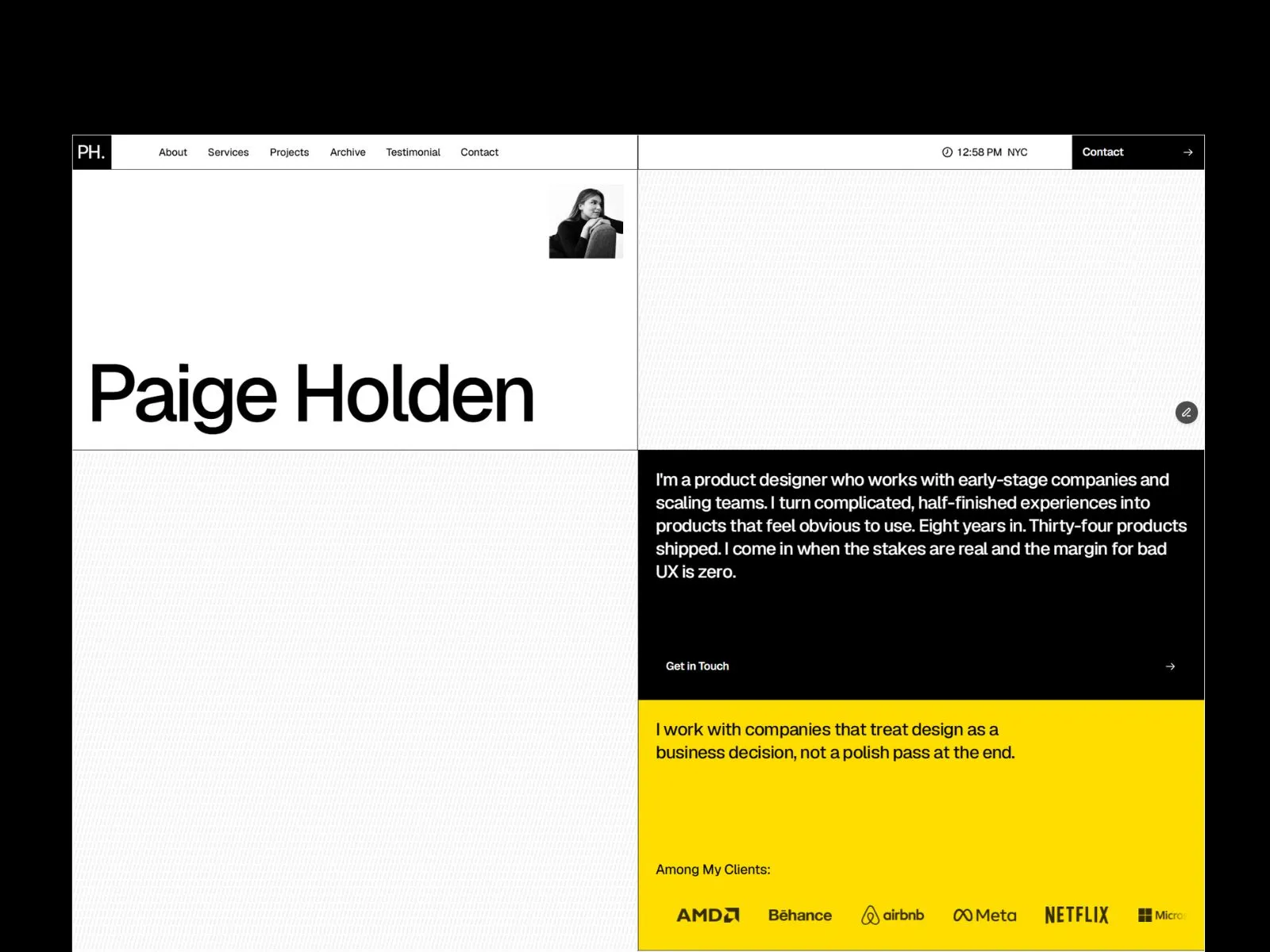
The top section (what designers call “above the fold”) should have one headline that speaks directly to the person you help. Not “welcome to my coaching practice.” Something like: “I help first-time managers lead their teams without burning out in the first 90 days.” That’s specific. It tells someone immediately whether they’re in the right place.
Below that, you need a single call to action. One button. Usually something like “Book a Free Discovery Call” or “Apply to Work With Me.” Don’t give visitors four options. Give them one obvious next step.
The rest of the homepage should include a short introduction (two to three sentences about who you are), a teaser of your services, a few testimonials, and another CTA toward the bottom. According to web design research, websites with clear navigation and a logical structure see up to 400% higher conversion rates than confusing layouts.
Keep the homepage skimmable. Short headings, short paragraphs, visuals that support the message. Somebody should be able to read it in 90 seconds and know exactly what you do.
Your About Page: The Trust Page
Most coaches write an about page about themselves. The ones that convert write an about page for the client.
Yes, share your story. Share what made you become a coach, what you believe about change, your credentials if you have them. But every paragraph should come back to one question: “why does this matter to the person reading it?”
Your about page should include:
- A professional photo that feels approachable, not stiff. Clients are choosing a person, not a service.
- Your coaching philosophy in plain language. What do you believe about growth, about people, about the process?
- Your background framed around what it means for your clients. “I spent 12 years in corporate HR before becoming a coach” is more useful than just listing titles.
- A call to action at the bottom. A lot of coaches forget this. After someone reads your about page and decides they like you, give them somewhere to go.
Research from multiple coaching website experts consistently shows that the about page is where trust is built. People buy from coaches they feel they know. Your about page is the fastest way to create that feeling before a single conversation happens.
Your Services Page: Where Clarity Does the Work
Vague services pages lose clients. If someone reads your services page and still isn’t sure what they’re getting, they’ll go find a coach who makes it clearer.
Every service you offer should explain:
- Who it’s for. Not everyone, not “anyone who wants to grow.” Be specific about the situation the client is in when this service is the right fit.
- What happens. How many sessions, over what period, what does it include, how does it work?
- What the outcome looks like. Not a guarantee, but a realistic picture of where clients end up.
Avoid listing prices on the services page if you’re offering premium coaching and want discovery calls first. But if your packages are fixed-price, being transparent about cost actually helps you pre-qualify clients before they get in touch.
One tip that gets overlooked: link your services page from the homepage more than once. Visitors often scroll past the first CTA. A second mention mid-page catches them on the way down.
Your Testimonials: Social Proof That Actually Works
For coaching, where the entire service is a personal relationship, that number probably runs even higher.
A few things that make testimonials work harder:
- Include the client’s name and, where possible, a photo. Anonymous quotes feel made up. Putting a face to a result is far more convincing.
- Make them specific. “She helped me get promoted” beats “she’s an amazing coach” every time.
- Spread them across your site. A dedicated testimonials page is good, but one or two testimonials also belong on your homepage, your about page, and your services page.
Video testimonials work even better than text, if clients are willing. A two-minute clip of a real person talking about a real result is more persuasive than a paragraph of copy.
If you don’t have testimonials yet, start collecting them after every engagement. A simple follow-up email asking two or three questions about the experience will get you the content you need.
Your Contact and Booking Page: Remove Every Barrier
The whole point of your website is to get someone to reach out. So the contact page needs to be as frictionless as possible.
One form. Clear fields. And a short note about what happens after they submit it. “I’ll get back to you within 24 hours with a few times to connect.” People want to know what they’re committing to.
If you use a booking tool like Calendly or Acuity, embed it directly on the page. Sending someone to an external link adds one more step, and steps kill momentum. Most successful coaching websites embed booking tools on multiple pages, not just the contact page, because different visitors decide to book at different points in the site.
Make the contact page easy to find. It should be in your main navigation menu, with a clear label. Some coaches label it “Work With Me” instead of “Contact” which signals that the next step is about getting started, not just sending a message.
What Every Page Needs (Not Just the Key Pages)
There are a few things that belong on every single page of your site, not just the homepage or contact page.
Navigation. Simple, predictable, consistent. Home, About, Services, Blog, Contact. That’s it. Anything more and you’re adding confusion. If visitors can’t find your services fast, they leave.
Your name and a photo (in the header or footer). People coach with people. A faceless coaching site feels cold and corporate. A small photo and your name in the header takes two seconds to add and makes the whole site feel more personal.
A CTA. Every page should have one clear next step. It doesn’t have to be “book a call” on every page. Blog posts can end with “read more about [related topic]” or “download this free guide.” The point is that no page should be a dead end.
Mobile-friendly layout. More than half of web traffic comes from phones. If your coaching site looks broken on a small screen, a significant portion of your potential clients are having a bad first impression. This is especially important for life coaching clients who often discover coaches while scrolling on their phones.
FAQ
How many pages does a life coaching website need?
Most coaching websites work well with five to seven core pages: home, about, services, testimonials, blog, contact, and possibly a dedicated booking page. You don’t need dozens of pages to rank on Google or book clients. What matters is whether the pages you have actually answer the questions your visitors are asking.
Industry research consistently shows that it’s not about the number of pages but the quality. A four-page site with sharp copy and real testimonials will outperform a twenty-page site with vague, generic content.
What should a life coach put on their homepage?
The headline should name the person you help and the outcome they get. Below that, include a short bio, an overview of your services, two or three testimonials, and a single call to action. Keep it skimmable and avoid long paragraphs. The homepage is not where you explain everything. It’s where you convince someone to keep reading.
Do life coaches need a blog on their website?
A blog is one of the most practical things a life coach can add to their site for long-term growth. It’s how you rank on Google for searches your potential clients are already making. A post that answers “how to find a life coach” or “what to expect from coaching” can bring in organic traffic for years.
You don’t need to publish weekly. Two or three solid posts per month, targeting specific questions your clients ask, will build visibility over time without eating your whole schedule.
Should I list pricing on my coaching website?
There’s no single right answer. If you offer fixed packages, listing prices pre-qualifies clients and saves you time on discovery calls with people who can’t afford your rates. If your coaching is custom and relationship-based, you might skip pricing and focus on getting people onto a call instead.
Many coaches take a middle approach: they mention a starting price (“packages from $X”) without breaking down every option. That gives visitors enough information to decide if it’s in their range without locking you into a rigid menu.
Wrapping Up
A good life coaching website isn’t complicated. It’s just clear. Every page has one job, every section answers a question your visitor is already asking, and the path from “I’m curious” to “I want to book a call” has no unnecessary friction.
Get the homepage, about page, services page, testimonials, and contact page right before you worry about anything else. Those five pages, done well, will do most of the work.
If you want a life coaching website built to rank on Google and book the right clients, get in touch and we can talk about what that looks like.