Someone looking for a psychotherapist is already in a vulnerable state. They’ve probably Googled their symptoms late at night, scrolled through a few profiles, and landed on your website before they’ve said a word to anyone. What they find in those first few seconds shapes whether they reach out or close the tab.
That’s why finding the right website designer for your psychotherapy practice matters more than it does for most other businesses. You need someone who understands the weight of first impressions in a mental health context. Not just someone who can build a clean website, which plenty of people can, but someone who knows how to balance warmth, credibility, and calm in a way that makes a hesitant person feel safe enough to contact you.
According to a Statista-backed survey, 71% of therapy clients in the US and Canada now search for a therapist online before booking a session. If your website doesn’t earn trust quickly, that potential client is gone.
This roundup covers the best website designers for psychotherapists currently working in this space, with an honest look at what each one actually offers.
What to Look for in a Website Designer for Psychotherapists
Not every web designer should be designing therapy websites. Here are the things that matter specifically in this niche:
- Niche experience. A designer who works with therapists regularly already understands the language, the sensitivities, and the visual tone that works. You shouldn’t have to explain why you don’t want a stock photo of someone crying on your homepage.
- Trust-centered design. Your clients are evaluating whether they feel safe with you before they’ve met you. The right designer knows how to use typography, color, spacing, and copy to reduce anxiety, not add to it.
- Mobile-first build. Most people searching for therapists are on their phones. If your site loads slowly or looks broken on mobile, they leave. A good designer builds for mobile first, desktop second.
- Basic SEO included. A beautiful site that nobody finds is not doing its job. At minimum, your site should have proper page titles, fast load times, and locally-targeted content so you show up when someone searches “psychotherapist in [your city].”
- Private contact forms. A standard contact form is fine for a plumber. For a therapist, the form a potential client fills out should feel private and handled with care. Designers working in this niche understand HIPAA-adjacent considerations around contact and intake forms even if full HIPAA compliance sits with your EHR system.
Best Website Designers for Psychotherapists
1. Fazal Web Design
Fazal Web Design, run by Fazal Rehman, specializes in website design for therapists, psychotherapists, and coaches specifically. This isn’t a general-purpose design shop that occasionally takes therapy clients. The entire service model is built around helping mental health and wellness professionals attract more clients through calm, conversion-focused websites.
Websites are built on WordPress using Breakdance or Elementor, which means you get a fully custom site without being locked into a proprietary platform you don’t own. You can take your site elsewhere if you ever need to. The design approach leans toward clarity and calm, with layouts that guide visitors toward booking without feeling pushy.
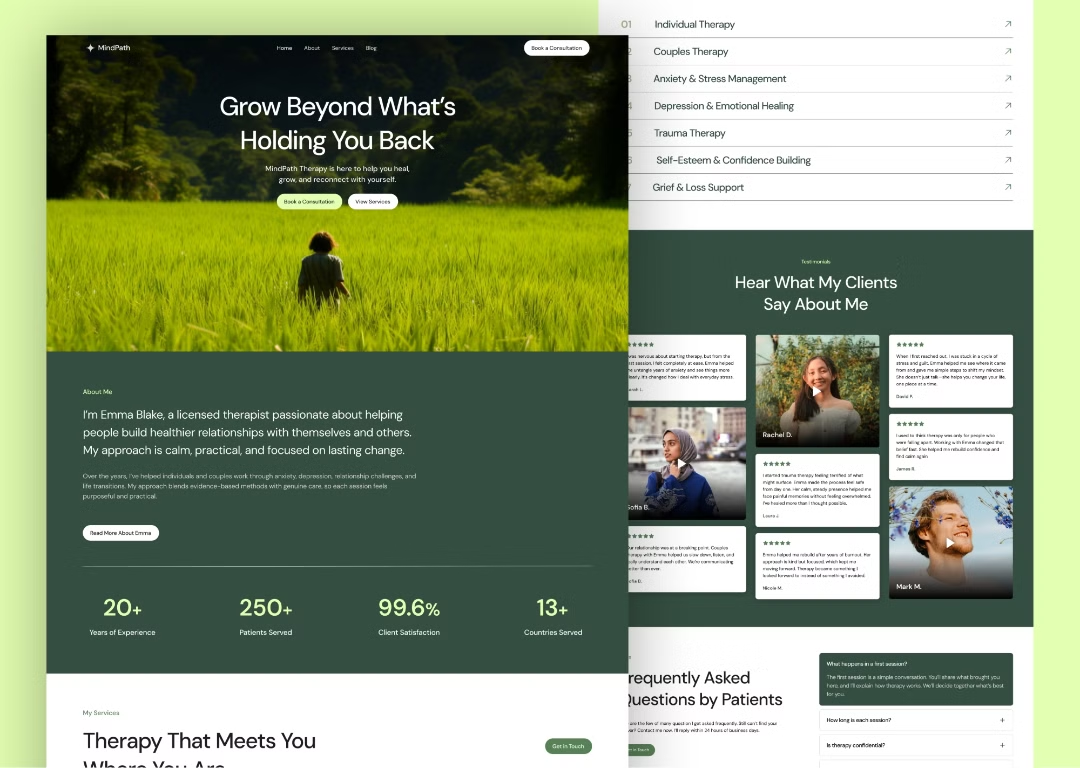
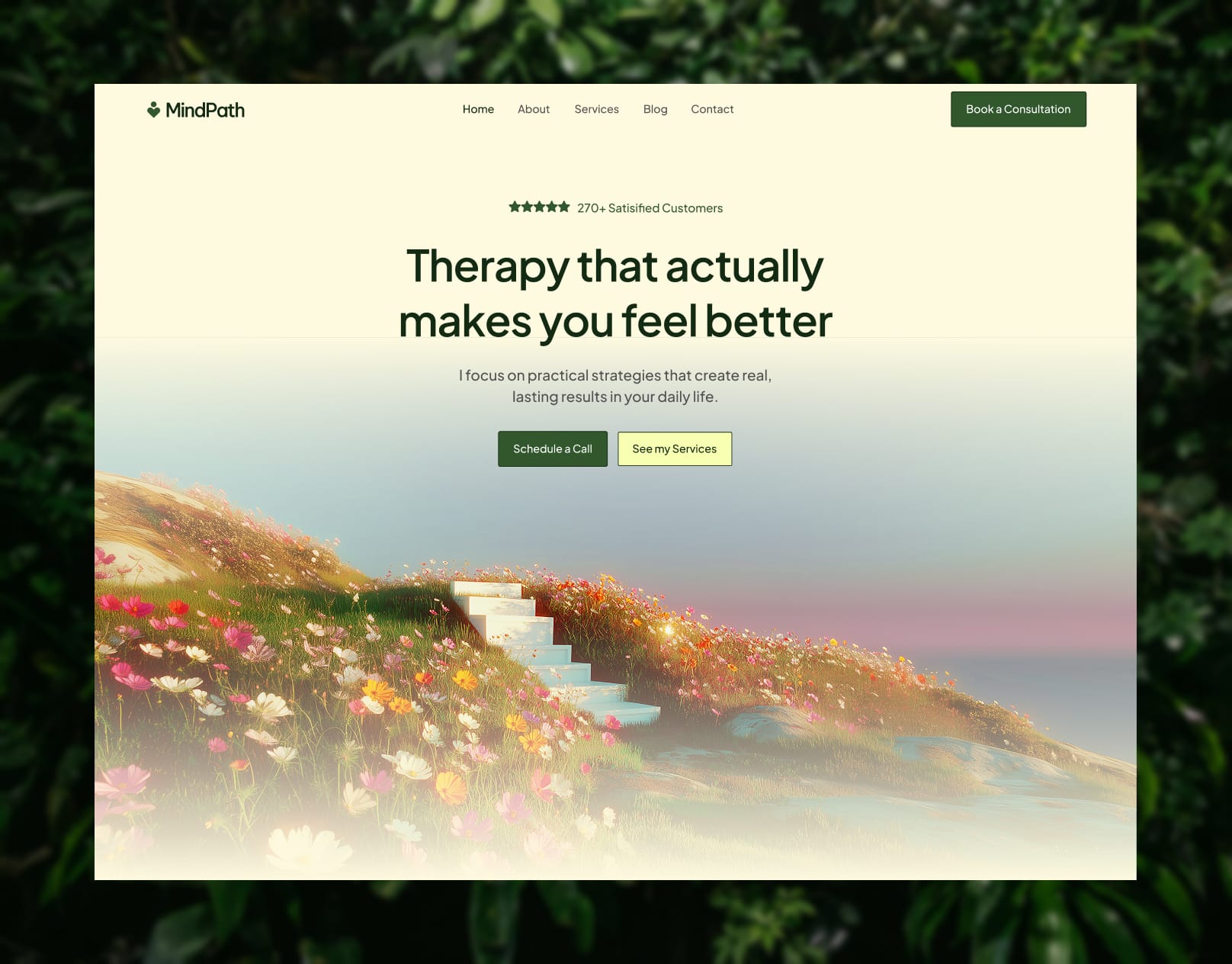
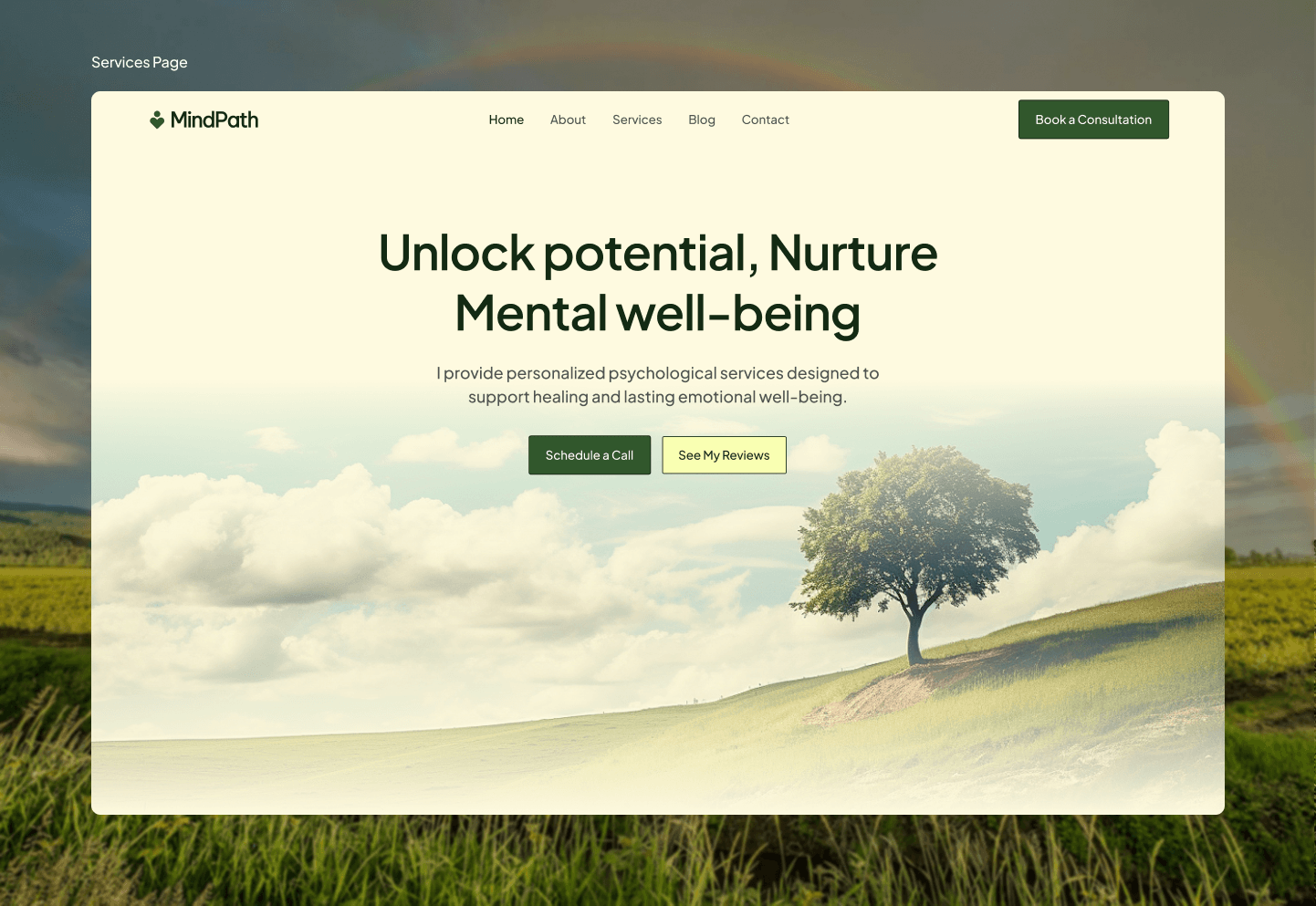
The portfolio includes MindPath Therapy, a real therapy practice with a site that demonstrates what this approach looks like in practice. Clients with verified reviews describe the experience as smooth and the results as noticeably better for attracting inquiries.
One past client, Saffron Rhodes LPC, described working with Fazal as getting a website that actually reflects the practice rather than a generic template that could belong to anyone.
Pricing starts at $999 as a one-time project or $80 per month through a managed plan that includes hosting and ongoing maintenance. You can review the full pricing breakdown here. Five-star reviews are publicly available on the site.
Strengths: niche-specific experience in therapy and coaching, custom WordPress builds with no platform lock-in, calm and conversion-focused design, and honest pricing.
Limitations: Smaller operation than agency-scale providers, so project capacity is limited. Book early if you’re targeting a specific launch date.
Best for: Psychotherapists and private practice owners who want a fully custom site without an enterprise-level price tag and without having to explain the basics of therapeutic tone to their designer.
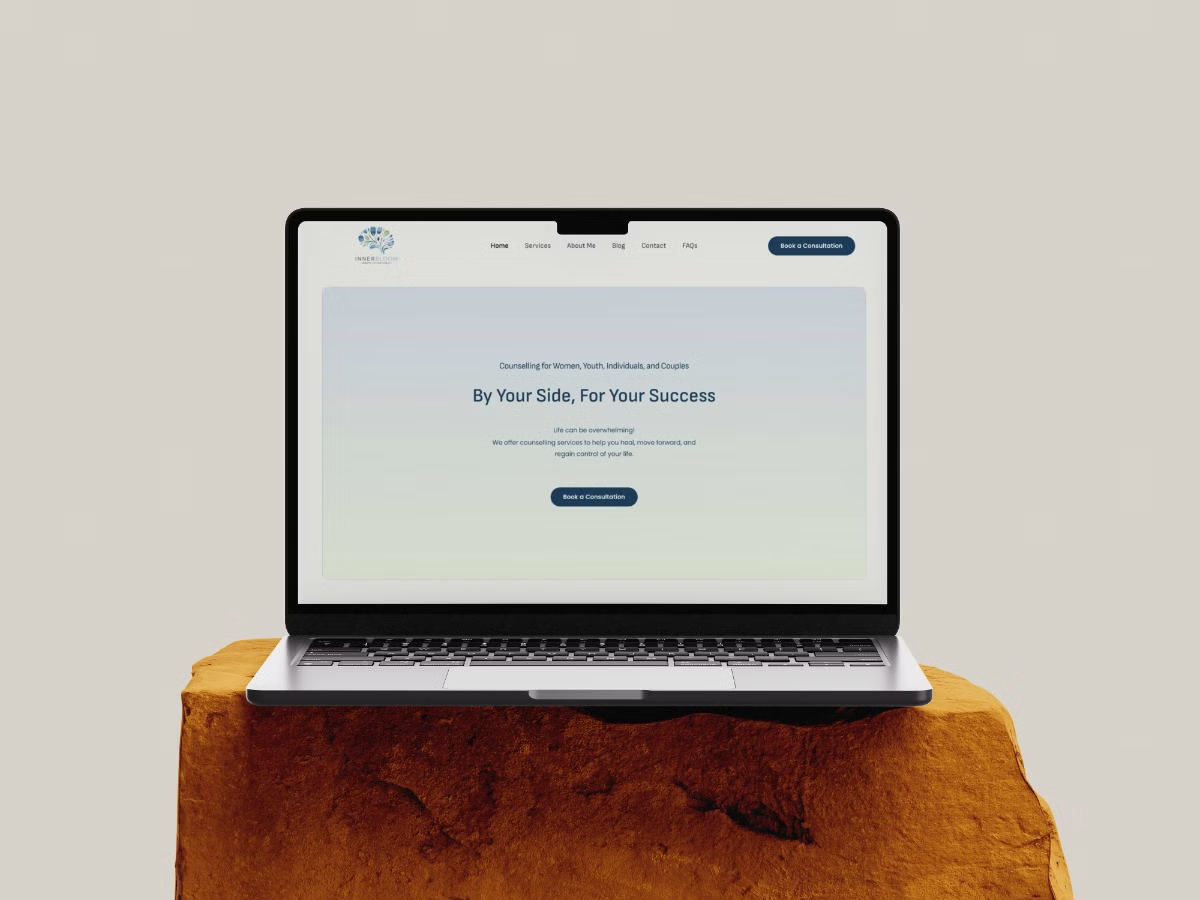
Some of the work is listed below:

2. Brighter Vision
Brighter Vision is probably the most well-known name in therapist website design. They’ve been operating for years and have built thousands of sites for mental health professionals. Their model sits between DIY and fully custom: you work with their team to set up a website from their template library, they handle hosting and tech support, and you pay a monthly subscription.
Pricing runs from $99 to $349 per month depending on the features you need, plus a $100 one-time setup fee. That adds up quickly over time, and some users have flagged that recent price increases pushed costs significantly higher than the service was originally pitched at. Because sites are template-based, you’ll also notice that many Brighter Vision sites across the country look quite similar.
Brighter Vision includes hosting, domain management, and customer support as part of the subscription. For therapists who want everything handled in one place without touching any technical settings, that’s a real convenience.
Strengths: Well-established with a large customer base, all-inclusive monthly plan, HIPAA-compliant email available as an add-on, familiar name in the therapy community.
Limitations: Template-based designs with limited differentiation, subscription model means you’re always paying, customization requests can hit limits, designs can look dated compared to custom-built sites.
Best for: New therapists who want a quick, low-effort way to get online and don’t need a highly differentiated design.
3. Empathy Sites
Empathy Sites is a done-for-you website service built by therapist advocates, with a founding story grounded in personal connection to the mental health community. They write your website copy for you, which is the part many therapists find most overwhelming, and they build the site around your specific practice and client base.
Their monthly plan runs $97 per month, which covers design, hosting, updates, and support. One-time project pricing is also available for therapists who want a full package including logo and copy written for them, which runs around $3,499.
Sites are built on WordPress and the templates are thoughtfully designed for the therapy context. Copy is included in the service, which sets them apart from most options where you’d write your own content. That said, ongoing SEO beyond the basics isn’t deeply built in, so ranking for competitive therapy keywords locally may require additional investment.
Strengths: Done-for-you including copywriting, warm and therapy-specific design aesthetic, supportive process for non-technical therapists, active portfolio showing real client sites.
Limitations: Higher monthly cost than some alternatives, SEO depth is limited beyond on-page basics, you’re on their platform rather than a fully portable WordPress installation.
Best for: Therapists who want their entire website handled, including the writing, and who value a warm collaborative process.
4. TherapySites
TherapySites is a subscription website platform built specifically for mental health professionals. It’s one of the oldest platforms in this space and has partnerships with several professional associations in the therapy world.
Costs start at $59 per month with optional marketing add-ons available at extra cost, including SEO management for an additional $40 per month. The platform is straightforward to use and aimed at therapists with limited technical comfort.
The honest criticism is that TherapySites designs have a reputation for looking dated. Designs are functional but somewhat dated, and the platform is best suited to small practices that want an easy DIY solution without deep customization. If your goal is a site that stands out in a crowded local market, TherapySites may not give you the visual differentiation you need.
Strengths: Long track record, mental health-specific templates, HIPAA-compliant content, professional association partnerships, Psychology Today directory integration.
Limitations: Limited design customization, templates feel outdated, SEO features are basic unless you pay for the add-on, your site will likely resemble others in your area built on the same platform.
Best for: Solo practitioners who need a quick and simple site and aren’t competing heavily on design or SEO.
5. Azuro Digital
Azuro Digital is a Canadian web design agency that has built a real body of work in the therapy and psychology space. They approach therapy websites from a brand and user experience angle, with a focus on creating sites that feel safe and welcoming while also being conversion-aware.
Their minimum project size is $10,000 with an average hourly rate in the $100 to $149 range, and they have over 100 five-star reviews on platforms like Clutch and Google. This is agency pricing, so it’s not the right fit for a solo therapist on a budget, but if you’re running a group practice or want a high-production website that positions you at the premium end of the market, the quality shows.
Their portfolio in the therapy space includes well-executed sites with thoughtful visual storytelling. They emphasize that psychology web design requires creating a safe and welcoming digital space that encourages vulnerable individuals to reach out, and their work reflects that understanding.
Strengths: High production quality, strong UX and conversion thinking, real expertise in mental health website design, accessible design certification.
Limitations: Significantly higher cost than other options on this list, better suited to group practices or established practices with larger budgets.
Best for: Group practices, established psychologists, or practice owners who want a premium custom website and have the budget for agency-level work.
6. Rose Benedict Design
Rose Benedict Design is a freelance web designer who works specifically with private practice therapists and counselors. Her approach centers on clarity and trust, and she has a genuine track record in the therapy website space rather than positioning it as one niche among many.
Her blog documents honest thinking about platforms, design decisions, and what actually works for therapy practices, which gives you a sense of how she thinks before you ever get on a call. She recommends Showit as her preferred platform, which offers more visual design flexibility than most website builders but has a learning curve if you ever want to make updates yourself.
Pricing isn’t publicly listed, which is common for custom freelance work, but she operates in the freelancer range rather than the agency range. Her site includes portfolio examples and a detailed breakdown of her thinking on platform choices.
Strengths: Genuine niche focus on private practice therapists, thoughtful and transparent process, strong visual design aesthetic, clear opinions about what works.
Limitations: Showit platform means less portability than a standard WordPress build, project availability varies, pricing requires a consultation to confirm.
Best for: Therapists who want to work closely with a single designer and value an opinionated, boutique process.
Frequently Asked Questions
How much does it cost to hire a website designer for a psychotherapy practice?
The range is wide. At the low end, subscription platforms like TherapySites or Brighter Vision run $60 to $150 per month, which adds up to $700 to $1,800 per year without ever owning the site outright. A freelance designer building a custom WordPress site typically charges a one-time fee of $800 to $2,500 depending on the scope. Agency-level work starts around $3,000 and can go significantly higher for group practices with complex needs.
The better question is what you actually need. A solo therapist in a mid-sized city who wants to rank locally and convert visitors into consultations doesn’t need a $10,000 website. A clean, custom-built WordPress site in the $999 to $1,500 range, from someone who understands therapy-specific design, will outperform a generic template in almost every case.
See Fazal Web Design’s pricing page for a concrete example of what a niche-specialist freelancer charges.
Do I need a special website for a psychotherapy practice?
Not “special” in a technical sense, but yes, the design approach matters. Therapy clients are evaluating your site emotionally, not just functionally. They want to feel safe. They’re looking for warmth, clear information about your specialty and approach, and evidence that you’re a real, trustworthy person before they do anything else.
A generic business website built without this context in mind can feel clinical or cold, which is the opposite of what you want. Someone who has designed therapy websites before already understands the visual and copy conventions that work: softer color palettes, professional but approachable photography, clear statements of who you help and how, and a contact process that doesn’t feel intimidating.
You can explore what this looks like in practice through Fazal Web Design’s therapist website design service.
What platform is best for a psychotherapist’s website?
WordPress is the most practical choice for most therapists. You own your site, you can move hosts whenever you want, there are thousands of plugins for contact forms, booking, and privacy compliance, and it’s what most SEO professionals are already familiar with. Breakdance and Elementor are popular page builders that make WordPress accessible without needing to write code.
Squarespace and Showit are reasonable alternatives if you want something with more built-in design guardrails, though they come with more limited portability. Subscription platforms like Brighter Vision and TherapySites are technically websites, but you’re renting space on someone else’s infrastructure, and if you ever cancel, you lose your site.
Do I need HIPAA compliance on my website?
Your website itself, the pages, photos, and text, is generally not subject to HIPAA as long as you’re not storing protected health information there. Where it gets relevant is contact and intake forms. If a client submits detailed personal or clinical information through a contact form, you need that form to be handled appropriately. Most designers working in this niche use encrypted contact forms or direct clients to a separate HIPAA-compliant intake tool like SimplePractice, TheraNest, or a similar platform. This is worth discussing with any designer you hire.
Conclusion
Not every web designer understands what it takes to build a therapy website that actually works. The visual tone, the trust signals, the copy approach, and even the contact form experience all matter more in this context than they do for most other businesses.
For psychotherapists looking for a proven specialist who works in this niche specifically, and who can deliver a custom site at a price that makes sense for private practice, Fazal Web Design’s psychotherapist website design service is the clearest recommendation on this list. Ready to get started? Get in touch here.