Your website is the face of your therapy practice. It’s the first place potential clients look when searching for help. But finding the right therapist website designer can feel overwhelming. You want someone who understands the mental health field. You need a designer who can create a site that reflects your values and attracts your ideal clients.
This guide will walk you through the most important questions to ask. Next, you’ll learn how to choose a website designer who gets what therapists need. Then, you’ll discover how to avoid common mistakes. After that, you’ll feel confident making the right choice for your practice. Finally, you’ll have the knowledge to create a website that turns visitors into clients.
Why Choosing the Right Therapist Website Designer Matters
Your private practice deserves more than a cookie-cutter website. A good website does more than look pretty. It connects with people who need your help. It builds trust before someone ever picks up the phone. It shows potential clients that you understand their struggles.
The wrong designer can waste your time and money. You might end up with a site that doesn’t represent who you are. Or worse, a website that drives potential clients away. The right designer becomes your partner. They help you grow your practice by creating a website that works hard for you.
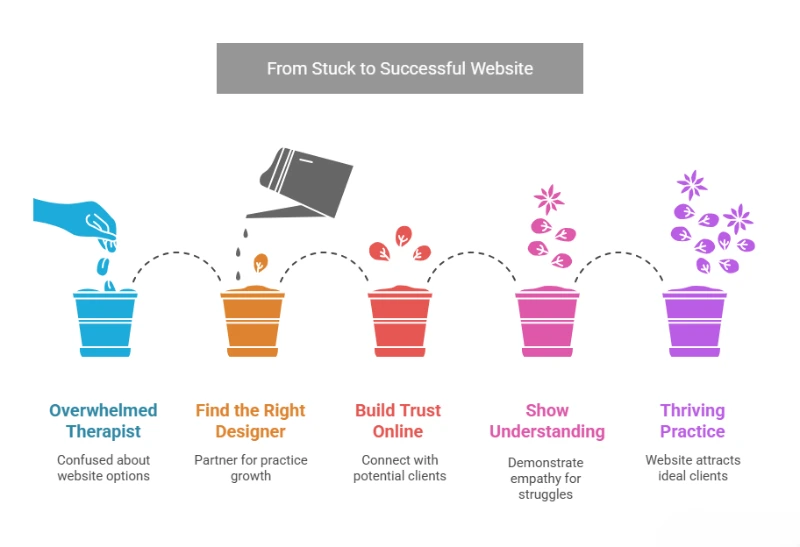
Many therapists feel stuck. They know they need a professional website. But they don’t know where to start. The technical terms confuse them. The different options overwhelm them. This article removes that confusion. You’ll learn exactly what to look for and what questions to ask.
Understanding What Makes a Therapist Website Designer Different
Not all website designers are created equal. A designer who builds websites for restaurants won’t understand your needs. Therapist websites require a special approach. They need to be warm and welcoming. They must respect client privacy. They should speak to people in emotional pain.
The Therapy Niche Requires Special Knowledge
Therapists face unique challenges. You need to comply with HIPAA regulations. You must handle sensitive information carefully. Your website should create a sense of safety. It needs to address common fears about starting therapy.
A designer who specializes in therapy websites already knows these things. They understand your target audience. They know what potential clients are looking for. They’ve studied what makes therapy websites successful.
Experience with Mental Health Professionals
The best therapist website designers have worked with counselors, psychologists, and social workers before. They understand clinical terminology. They know how to present your credentials properly. They can write content that resonates with people seeking help.
This experience saves you time. You won’t need to explain basic concepts. The designer will already understand what makes your practice unique. They’ll know how to highlight your specialties effectively.
First Questions: Do They Understand Therapists?
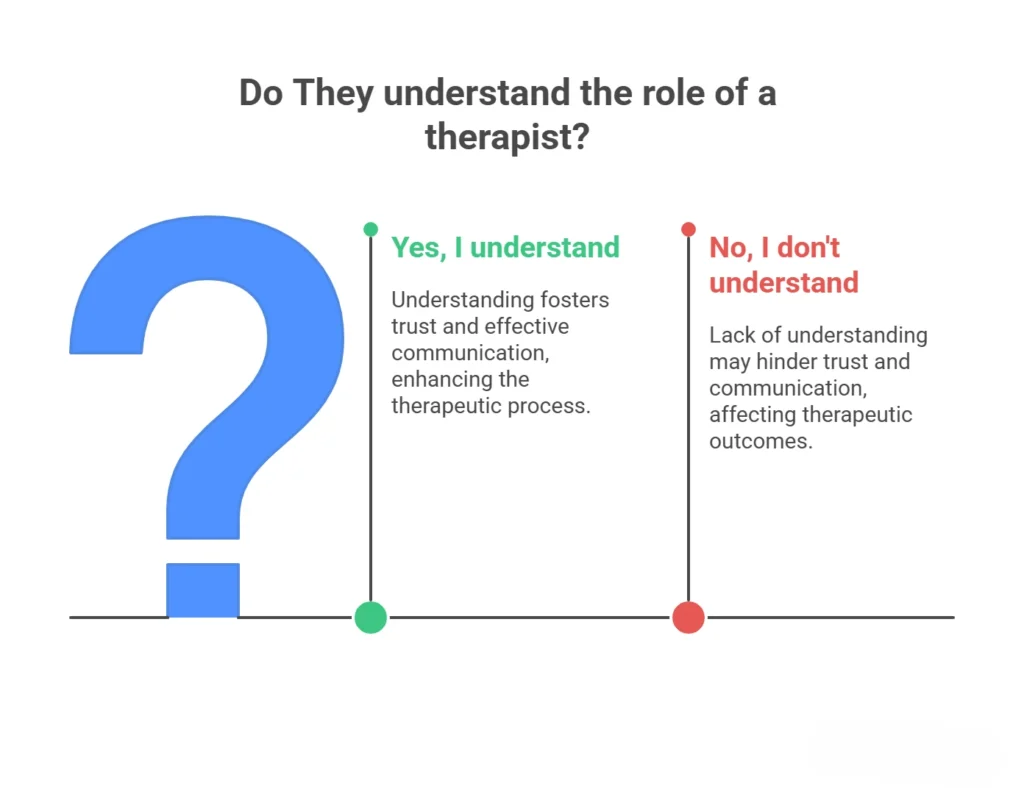
Start with the most important question. Does this designer truly understand the therapy world? This question reveals everything you need to know about their expertise.
How Many Therapist Websites Have You Designed?
Numbers matter here. A designer who has built fifty therapy websites knows the field well. They’ve seen what works and what doesn’t. They understand common challenges therapists face online.
Ask to see their portfolio of therapy websites. Look at the variety. Do they work with different types of therapists? Have they designed sites for solo practitioners and group practices? This variety shows flexibility and deep knowledge.
What Makes Therapist Websites Different from Other Sites?
Listen carefully to their answer. A knowledgeable designer will talk about emotional connection. They’ll mention the importance of trust-building. They’ll discuss privacy concerns and HIPAA compliance.
They should understand that therapy websites need a different tone. The language must be empathetic without being clinical. The design should feel calm and safe. They’ll know that potential clients are often anxious when visiting therapy websites.
Can You Show Me Examples of Therapy Websites You’ve Built?
Don’t just look at how pretty the websites are. Think about functionality. Can you easily find the contact information? Does the site clearly explain what services are offered? Do the websites feel welcoming?
Pay attention to the details. Are the therapist’s photos professional and approachable? Is the content easy to read? Does the site load quickly? These details reveal the designer’s attention to quality.
The Design Process: What to Expect
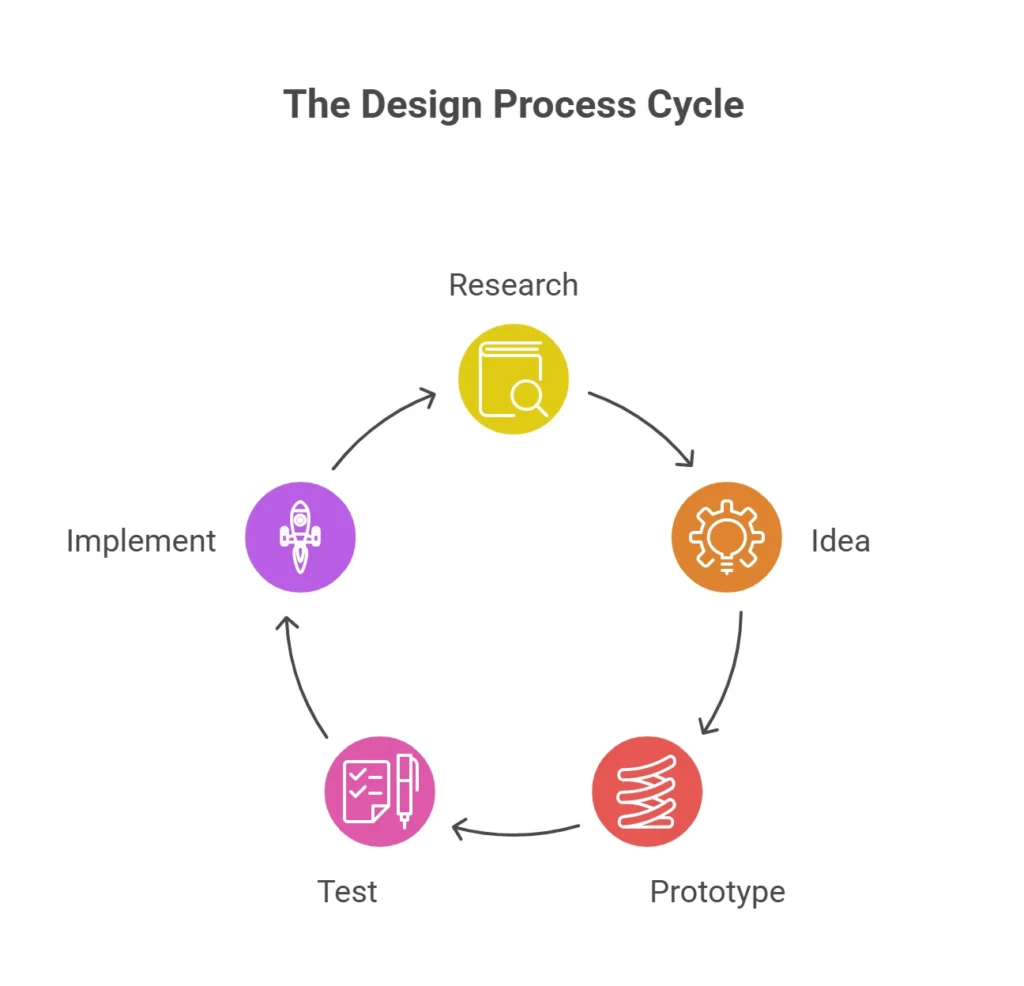
Understanding how a designer works helps you prepare. Every designer has their own process. You need to find one that matches your style and availability.
What Does Your Design Process Look Like?
A good designer will walk you through clear steps. First, they’ll learn about your practice. Then, they’ll create a design plan. Next, they’ll show you drafts. After that, you’ll give feedback. Finally, they’ll make adjustments until you’re happy.
Some designers prefer lots of collaboration. They want frequent check-ins and feedback sessions. Others work more independently. They prefer to show you options at specific milestones. Neither approach is wrong. But you need to choose what fits your schedule.
How Much Input Do You Need from Me?
Be honest about your time. Building a website requires some work from you. You’ll need to provide information about your practice. You might need to review the content. You’ll definitely need to give feedback on designs.
Some designers need more from you than others. They might ask you to write all the content. They may want you to provide all the photos. Others handle everything for you. Know what you’re signing up for before you start.
How Long Does the Entire Process Take?
Timelines vary widely. Simple websites might take two weeks. Custom websites can take two months or more. Understanding the timeline helps you plan.
Ask what factors might delay the project. Often, delays happen when therapists are too busy to provide needed information. Knowing this upfront helps you clear time in your schedule.
Content Creation: Who Writes What?

Website content makes or breaks your site. Good writing connects with potential clients. Poor writing drives them away. Understanding who handles the writing is crucial.
Do You Provide Copywriting Services?
Some website designers write content for you. Others expect you to write everything. Many offer a middle ground. They might provide templates or frameworks. Then you fill in the details.
If they don’t write content, ask for recommendations. Many designers partner with copywriters who understand therapy. These writers know how to craft messages that resonate with potential clients.
How Do You Help Me Develop My Website Message?
Your website message is your story. It’s why you became a therapist. It’s who you help and how you help them. A good designer guides you through developing this message.
They might use questionnaires. They could conduct interviews with you. Some use worksheets that help you clarify your thoughts. This process takes time. But it results in a website that truly represents you.
What If I’m Not Good at Writing About Myself?
Most therapists struggle with this. You’re trained to focus on others, not yourself. It feels uncomfortable to market your services. Good designers understand this completely.
They should have strategies to help. They might ask specific questions that draw out your story. They could show you examples from other therapist websites. Some offer writing workshops or guided sessions. This support makes the process much easier.
Technical Questions You Must Ask
The technical side of websites confuses many therapists. But understanding these basics protects you. Don’t skip these questions. They prevent problems down the road.
Who Owns the Website and Domain?
This question is critical. You should own everything. The domain name should be registered in your name. The website files should belong to you. Some designers try to keep control. This locks you into working with them forever.
Ask directly: “If I stop working with you, can I take my website somewhere else?” The answer should be yes. If it’s not, look for a different designer.
What Platform Will You Build My Site On?
Different platforms serve different needs. WordPress is popular and flexible. Squarespace is user-friendly and beautiful. Wix offers simplicity and lots of features. Each has pros and cons.
The platform matters because it affects what you can do later. Some platforms make it easy to update content yourself. Others require technical knowledge. Choose a platform that matches your comfort level with technology.
How Will You Handle HIPAA Compliance?
Your website isn’t covered by HIPAA regulations for most activities. But certain features do require compliance. Contact forms that collect health information need protection. Online booking systems must be secure. Payment processing requires specific safeguards.
A knowledgeable designer understands these requirements. They’ll explain which features need Business Associate Agreements (BAA). They’ll ensure proper security measures are in place. They’ll help you avoid compliance issues.
What About Website Security?
Security protects both you and your clients. Your website needs an SSL certificate. This encrypts data between your site and visitors. It’s essential for any site that collects information.
Ask about other security measures. How often are backups made? What happens if the site gets hacked? Who fixes security problems? Good designers have clear answers to these questions.
Hosting and Maintenance: The Long-Term View
Your website needs ongoing care. Like a car, websites require regular maintenance. Understanding this from the start prevents surprises.
Where Will My Website Be Hosted?
Hosting is where your website lives on the internet. Some designers include hosting in their packages. Others expect you to arrange it separately. Both approaches work. But you need to know which applies to you.
If hosting is separate, ask for recommendations. Therapist websites need reliable hosting. Your site should load quickly. It should rarely go down. Good hosting isn’t free. But it’s worth the investment.
What’s Included in Ongoing Maintenance?
Websites aren’t one-and-done projects. They need regular updates. Software must be upgraded. Security patches need installation. Backups should run automatically.
Some designers handle all maintenance for you. They charge a monthly fee for this service. Others teach you how to do basic maintenance yourself. Know what’s included before you sign up.
How Do I Update My Website After Launch?
You’ll want to make changes over time. You might add a new service. You could update your photo. You may want to post blog articles. Understanding how updates work is important.
Some designers give you full control. They train you to make updates yourself. Others prefer to handle all changes for you. Some charge for updates. Others include limited updates in a monthly fee. Choose the approach that fits your needs and budget.
What Happens If Something Breaks?
Technology fails sometimes. Your website might go down. A feature might stop working. A plugin could cause problems. You need to know how these situations get handled.
Ask about response times. How quickly will the designer respond to problems? Do they offer emergency support? Is support available on weekends? Understanding this prevents panic when issues arise.
Design and Branding Questions
Your website’s look matters enormously. It creates the first impression. It sets the emotional tone. It communicates who you are before anyone reads a single word.
How Do You Determine the Right Design for My Practice?
Good designers don’t impose their style on you. They create designs that reflect your personality and values. They should ask about your ideal clients. They’ll want to know what feeling you want to create.
The design process should feel collaborative. You should have input into colors, fonts, and layouts. But you should also trust their expertise. They know what works and what doesn’t.
Can I See Design Mockups Before You Start Building?
Visual people need to see designs before committing. Mockups or wireframes show you what your site will look like. This prevents disappointment later.
Some designers provide detailed mockups. Others show rough sketches. Know what to expect. If you’re very particular about design, insist on seeing detailed mockups first.
Will My Website Work on Mobile Phones?
Most people browse websites on phones now. Your site must look good on all devices. This is called responsive design. Every modern website should have it.
Don’t assume this is included. Ask specifically about mobile responsiveness. Look at their other websites on your phone. Do they look as good as they do on computers?
How Will You Incorporate My Existing Branding?
If you already have a logo or colors, your website should match. Consistency builds recognition. It makes your practice look professional.
Share your existing branding materials with the designer. Explain what you love about them. Discuss what you’d like to change. Good designers honor your existing brand while improving it.
SEO and Marketing Considerations

A beautiful website that no one finds is useless. Your site needs to appear in search results. It needs to attract the right visitors. These marketing questions are essential.
How Will You Optimize My Site for Search Engines?
Search engine optimization (SEO) helps people find you. When someone searches for “therapist near me,” you want to appear. Basic SEO should be included in any website design.
Ask what SEO services are included. Will they research relevant keywords? Will they optimize your page titles? Will they set up Google My Business? Understanding this helps you know what additional marketing you might need.
Will My Website Help Me Attract My Ideal Clients?
This is the ultimate question. Your website should speak directly to the people you want to help. It should repel the wrong clients and attract the right ones.
A good designer asks about your ideal clients. Who are they? What problems do they face? What language do they use? The website should be designed with these people in mind.
Can You Help with Google My Business and Local SEO?
Many therapists serve local clients. Local SEO helps you show up in local searches. It connects you with people in your area who need your help.
Setting up Google My Business is essential. It helps you appear in Google Maps. It shows your hours and contact information. It collects client reviews. Some designers include this setup. Others don’t. Find out before you start.
Cost and Payment Questions
Money matters. You need to understand the full investment. Hidden costs cause problems. Clear pricing builds trust.
What’s Your Pricing Structure?
Designers price their services differently. Some charge a flat fee for the entire project. Others charge by the hour. Many offer packages with different service levels.
Understand exactly what’s included in the price. Does it cover copywriting? Are stock photos included? Is ongoing support part of the package? Get everything in writing.
Are There Any Additional Costs I Should Know About?
Beyond the design fee, other costs exist. Domain registration costs money annually. Hosting requires monthly or yearly payment. Premium plugins might be necessary. Stock photos can add up.
Ask for a complete list of all costs. Some are one-time expenses. Others recur monthly or yearly. Knowing this helps you budget properly.
What Payment Terms Do You Offer?
Some designers require full payment up front. Others split payments into milestones. Many ask for a deposit to start work.
Understand the payment schedule before committing. Make sure it works with your cash flow. Never pay everything up front before seeing any work.
Do You Offer Payment Plans?
Website design can be expensive. Some designers offer financing or payment plans. This makes professional web design more accessible.
If cost is a concern, ask about payment options. Some designers work with financing companies. Others set up custom payment schedules. Don’t be embarrassed to ask. Many therapists need financial flexibility.
Portfolio Review: What to Look For
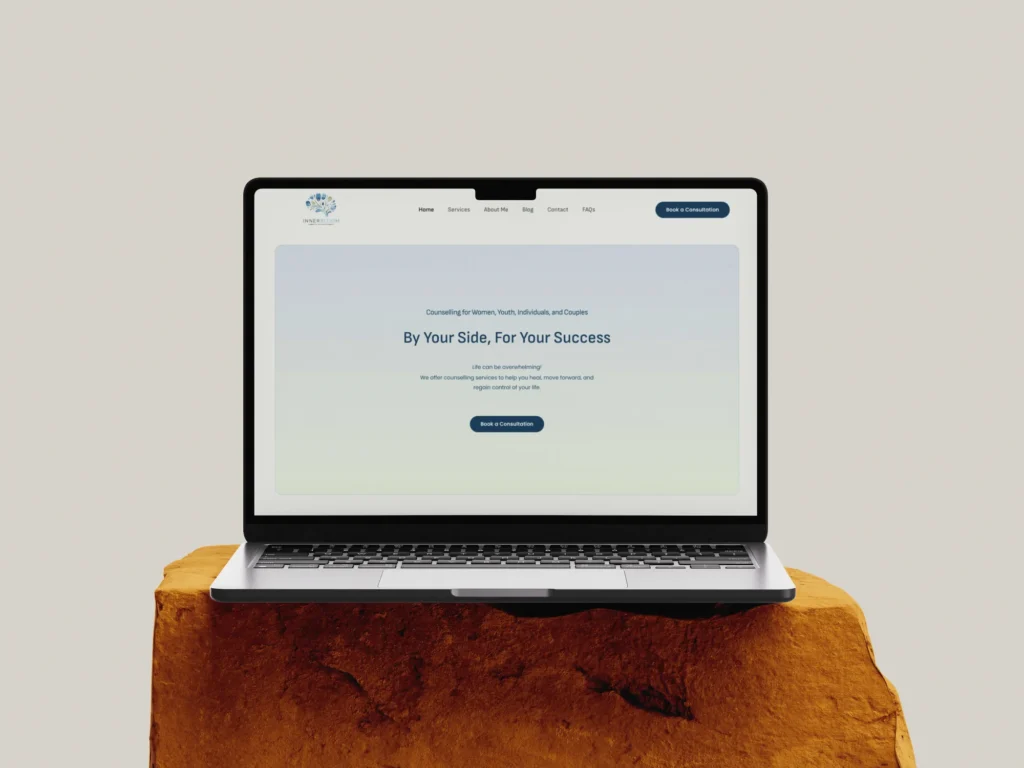
A designer’s past work tells you everything. Don’t just glance at their portfolio. Study it carefully. Look beyond surface beauty.
Can You Show Me Results from Previous Clients?
Beautiful websites are nice. But results matter more. Ask about outcomes. Do their clients’ websites generate leads? Have their clients grown their practices?
Some designers track metrics. They know how many visitors their sites attract. They can tell you about conversion rates. This data-driven approach shows real value.
Do You Have Client Testimonials?
Past clients offer honest feedback. Read testimonials carefully. Do clients mention good communication? Do they talk about results? Are they happy with ongoing support?
Ask if you can contact past clients. Most designers will provide references. Talking to other therapists gives you valuable insights.
What Types of Therapy Practices Do You Typically Work With?
Some designers focus on solo practitioners. Others specialize in group practices. Some work with specific therapy niches. Understanding their typical clients helps you know if they’re a good fit.
If you run a group practice, choose a designer with group practice experience. If you offer a unique therapy approach, find a designer who understands it.
Communication and Working Relationship
You’ll spend months working with this designer. Good communication makes the process smooth. Poor communication creates frustration.
How Do We Communicate During the Project?
Some designers prefer email. Others like phone calls or video meetings. Many use project management tools. Find out what to expect.
Make sure their communication style works for you. If you hate phone calls, don’t work with someone who insists on weekly calls. If you need frequent updates, choose a designer who’s responsive.
How Quickly Do You Typically Respond?
Response time matters. When you have questions, you want answers. When you give feedback, you want acknowledgment.
Ask about their typical response time. One business day is reasonable. If they take a week to respond, that’s a red flag.
What If We Disagree on Something?
Disagreements happen. Good designers have processes for handling them. They listen to your concerns. They explain their recommendations. They find compromises.
Ask how they handle conflicts. Their answer reveals a lot about their professionalism. Look for designers who prioritize your satisfaction without being pushovers.
Timeline and Project Management
Understanding the timeline prevents frustration. You need realistic expectations. You need to know your responsibilities.
What’s the Estimated Timeline for My Project?
Get specific dates. When will you see the first draft? When can you expect to launch? What might cause delays?
Remember that timelines depend partly on you. If you’re slow to provide feedback, the project will take longer. Be realistic about your availability.
What Could Delay the Project?
Honest designers warn you about common delays. Often, projects slow down when clients are too busy to provide information. Sometimes, revisions take longer than expected.
Knowing potential delays helps you plan. It also shows the designer is experienced and realistic.
How Many Revisions Are Included?
Most designers include several rounds of revisions. This gives you chances to refine the design. But unlimited revisions can drag projects out forever.
Understand what’s included. How many design revisions will you get? What happens if you want additional changes? This clarity prevents surprises.
After Launch: Ongoing Support
Launch day isn’t the end. It’s the beginning. Your relationship with your designer should continue.
What Support Do You Offer After Launch?
Some designers disappear after launch. Others provide ongoing support. Know what to expect.
Is technical support included? For how long? What kinds of problems will they help with? This ongoing relationship can be valuable.
Can You Help Me Grow My Website Over Time?
Your practice will evolve. You’ll add services. You’ll want to start a blog. You might need new features.
Ask if the designer can help with future growth. Will they be available for additional projects? Do they offer retainer packages? Growing with the same designer maintains consistency.
Do You Offer Training?
If you want to update your site yourself, you’ll need training. Good designers teach you how to use your website. They might provide video tutorials. They could offer live training sessions.
Ask about training options. Some designers include it. Others charge extra. Know what’s available.
Red Flags to Watch For
Some warning signs indicate problems. Pay attention to these red flags. They’ll save you headaches.
They Won’t Show You Past Work
Every designer should have a portfolio. If they refuse to show you examples, something’s wrong. This is a major red flag.
They Promise Unrealistic Results
No designer can guarantee you’ll get 100 new clients. They can’t promise first-page Google rankings overnight. Be wary of big promises.
Good designers are honest about what’s possible. They set realistic expectations. They don’t overpromise.
They Want to Own Your Website
If the designer insists on keeping ownership, walk away. You should own your website completely. This is non-negotiable.
They’re Pushy or Dismissive
Your relationship should feel collaborative. If the designer dismisses your concerns, that’s a problem. If they pressure you into quick decisions, that’s a warning sign.
Trust your instincts. If something feels off, it probably is.
Making Your Final Decision
You’ve asked all the questions. You’ve reviewed portfolios. Now you need to decide.
Compare Your Top Choices
Don’t rush the decision. Talk to at least three designers before making a choice. Look beyond their price tags. Compare how they communicate, their understanding of therapy websites, and their approach to design and functionality.
It helps to create a simple chart listing each designer’s pros and cons. Include things like pricing, turnaround time, design style, and how well they understood your goals. Seeing it all side-by-side makes your decision clearer and more confident.
Trust Your Gut
Your website designer will be your creative partner for weeks or even months. So while logic and qualifications matter, your intuition does too. If someone’s energy feels off or communication feels forced, pay attention.
Choose the designer who listens well, explains things clearly, and makes you feel understood. A good working relationship often leads to a smoother project and a better final result.
Start Small If Possible
If you’re unsure, start with a smaller project like a single landing page or homepage design. Many designers offer these “starter” packages. It’s a smart way to test their process, communication, and reliability.
If it’s a good fit, you can confidently expand into a full website redesign later. This approach minimizes risk and gives both sides time to build trust and rhythm before diving deeper.
Common Mistakes Therapists Make When Choosing A Website Designer
Every therapist wants a smooth website design experience, but many fall into the same traps. The good news? All of these mistakes are easy to avoid once you know what to look for.
Choosing Based on Price Alone
Going with the cheapest designer might feel smart upfront, but it often leads to bigger problems later. A low price can mean rushed work, poor communication, or designs that don’t reflect your brand.
Think of your website as a long-term investment, not a one-time expense. A well-built, professional site attracts clients, builds trust, and saves you from costly redesigns in the future.
Not Reading Contracts Carefully
Before signing anything, read the contract line by line. Know what’s included, who owns the final design, and what happens if you cancel.
If a section feels confusing, ask for clarification. A professional designer will always explain terms clearly. Never sign a contract that leaves you uncertain about your rights or responsibilities.
Rushing the Decision
Excitement to launch your website can make you hurry the hiring process. But rushing often leads to mismatched expectations and disappointing results.
Take your time to research, compare, and ask questions. A few extra days of careful consideration now can save you months of frustration later.
Ignoring Red Flags
If a designer misses deadlines, avoids questions, or makes you uncomfortable, pay attention. These are signs of bigger issues down the road.
Trust your instincts. A good partnership feels collaborative, not stressful. If something feels off, keep looking until you find someone who truly aligns with your vision and values.
How to Prepare for Your First Meeting
You want your consultation with a therapist website designer to be productive and stress-free. Preparation makes all the difference. A little planning before the meeting helps you communicate clearly, make faster decisions, and get the most accurate quotes. Here’s how to prepare.
Gather Your Information
Start by organizing the basics. Write down your practice name, contact details, and list of services. Think about your ideal clients—who they are, what they value, and what kind of tone will appeal to them.
Having this information ready shows you’re professional and helps the designer understand your goals from the start. It also speeds up the entire process and leads to more accurate proposals.
Prepare Your Questions
Don’t walk into the meeting unprepared. Write down your questions in advance. Use this article as a checklist and add anything specific to your situation.
When the conversation gets busy, it’s easy to forget important details. A written list ensures you cover everything—from timelines and maintenance to SEO and content updates.
Look at Websites You Like
Spend some time browsing therapy websites. Save the ones that feel right for your brand. Take notes on what you like—the color palette, layout, or tone of voice.
Sharing real examples gives your designer a clear visual reference. It also helps you define your own preferences and create a shared language for design discussions.
Set Your Budget
Decide how much you’re willing to invest before your consultation. Be honest and realistic. Consider both upfront costs (like design and development) and ongoing ones (like hosting, updates, or content changes).
Being upfront about your budget helps the designer tailor their proposal to your needs. It saves time, prevents awkward surprises, and ensures you’re both aligned from the beginning.
The Power of a Great Therapist Website
Your website works for you 24/7. It answers questions while you sleep. It attracts clients even when you’re on vacation. It showcases your expertise without you saying a word.
Investing in a quality website designer pays dividends. Your practice grows. You attract better-fit clients. You spend less time on marketing because your site does that work.
But only if you choose the right designer. Only if you ask the right questions. Only if you make an informed decision.
Taking the Next Step
You now know how to find the perfect therapist website designer. You know what questions to ask. You understand what to look for. You can spot red flags before they become problems.
Don’t let this information overwhelm you. Start simple. Make a list of designers to interview. Schedule consultations. Ask your questions.
The perfect designer is out there. They understand therapists. They respect your vision. They’ll create a website that truly represents your practice.
Your ideal clients are searching for you right now. They need your help. A great website connects you with them. It’s time to take that first step.
Start today. Research designers. Schedule consultations. Ask the questions in this guide. Your future clients are waiting.
Quick Takeaways
- Ask about their experience with therapists – Designers who understand the mental health field create more effective websites
- Clarify what’s included in the package – Know exactly what services you’re getting, from copywriting to ongoing maintenance
- Understand the technical details – Learn about hosting, domain ownership, and HIPAA compliance before signing any contracts
- Check their design process – Make sure their workflow matches your communication style and time availability
- Review their portfolio carefully – Look for websites that convert visitors into clients, not just pretty designs
- Discuss ongoing support – Find out how updates are handled and what happens after launch
- Get clear on costs – Understand all fees upfront, including hidden costs and long-term expenses
Frequently Asked Questions
How much should I expect to pay for a therapist’s website?
Therapist website costs vary widely. Simple DIY websites might cost under $500. Semi-custom sites from specialized services range from $2,000 to $5,000. Fully custom websites can cost $5,000 to $15,000 or more. Monthly subscription services cost $150 to $300. Consider what’s included in the price. Cheaper isn’t always better. Your website should be seen as an investment that attracts clients and grows your practice.
Do I really need a website designer, or can I build my own site?
You can build your own website using platforms like Wix or Squarespace. DIY works if you have time, some technical ability, and design skills. However, professional designers create more polished, effective sites. They understand marketing principles, SEO, and user experience. If you’re not tech-savvy or don’t have time to learn, hiring a designer is worthwhile. Your time is valuable. Building a site yourself takes weeks or months. Designers complete projects faster, letting you focus on seeing clients.
How long does it take to build a therapist website?
Timeline depends on complexity and your responsiveness. Simple template-based sites can launch in 2-3 weeks. Semi-custom sites typically take 4-8 weeks. Fully custom websites often require 8-12 weeks or longer. Delays usually happen when therapists are too busy to provide needed information or feedback. Clear your schedule during the project. Be ready to answer questions quickly. This keeps things moving smoothly.
What’s the difference between a template and a custom website design?
Template designs start with pre-made layouts. You customize colors, images, and content. They’re faster and more affordable. Templates work well for many therapists. Custom designs are built from scratch specifically for you. They’re unique and tailored to your exact needs. Custom sites cost more and take longer. They offer maximum flexibility and originality. Choose based on your budget, timeline, and how much uniqueness matters to you.
Should my website designer also handle my SEO?
Basic SEO should be included in website design. This includes proper page structure, meta descriptions, and keyword optimization. However, ongoing SEO is often a separate service. It requires regular work like content creation, link building, and monitoring analytics. Some designers offer SEO packages. Others refer you to SEO specialists. For most new practices, basic SEO is sufficient at launch. You can add advanced SEO services as your practice grows and your budget allows.
Share Your Experience
Share this article with fellow therapists who are considering building or redesigning their websites. The right website designer can transform your practice. Help your colleagues make informed decisions.