![[2025] 6 Inspiring Psychotherapist Website Designs](https://fazal.site/wp-content/uploads/2025/08/6-Inspiring-Psychotherapist-Website-Designs.webp "Great Therapist Website Examples 2026")
Building a successful psychotherapy practice today means more than just excellent clinical skills; it requires a compelling online presence that connects with potential clients, reflects professional credibility, and communicates your unique approach.
Your website is often the first interaction someone has with your practice, and a great one can make all the difference in attracting and converting clients.
To help ignite your creativity, I’ve curated 6 inspiring psychotherapist website design examples. Each site showcases what makes it effective, from design and branding to user experience and content, providing a clear roadmap for creating your impactful therapy website.
Throughout the examples, you’ll find naturally integrated strategies such as crisp calls-to-action, localized keyword use, and authentic messaging that speaks directly to clients’ needs.
As a website designer specializing in therapist and coach websites, these examples also highlight how thoughtful, tailored design can set your practice apart. When your site reflects your ethos and resonates with your audience, people are more likely to reach out and trust you.
6 Inspiring psychotherapist website designs
#1: The Soho Center
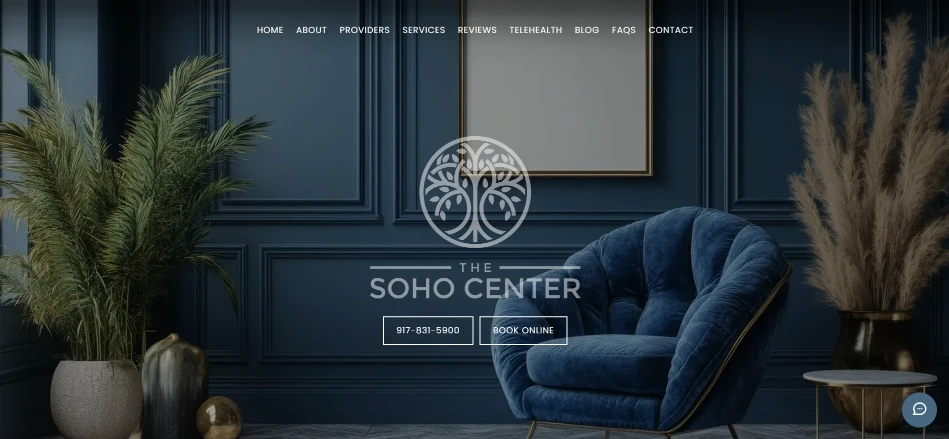
Why it’s great:
- The clean, minimalistic design.
- Therapy types and individualized plans are outlined clearly with geo-specific keywords like “therapy in New York City.”
- Contact info and booking tools are easily accessible, encouraging visitors to take action.
Website link: https://www.thesohocenter.com/
#2: Ginny Paige, LCSW, LICSW
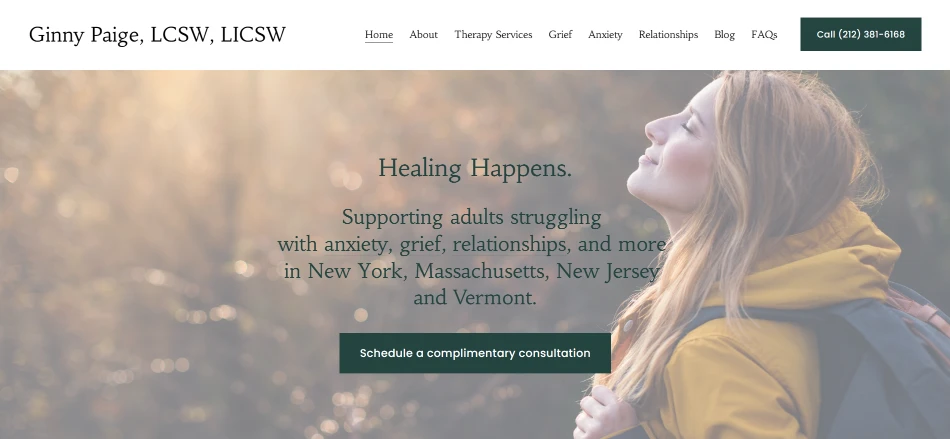
Why it’s great:
- Focuses on telehealth across New York, Massachusetts, and Vermont with excellent use of location-based SEO keywords.
- A warm, inviting hero message speaks directly to adults and children struggling with anxiety, grief, and relationships.
- Helpful service descriptions, especially EMDR and mindfulness therapy, provide clarity to users.
- The minimalistic layout simplifies navigation and prevents overwhelm for first-time visitors.
Website Link: https://www.ginnypaigelcsw.com/
#3: Man Therapy
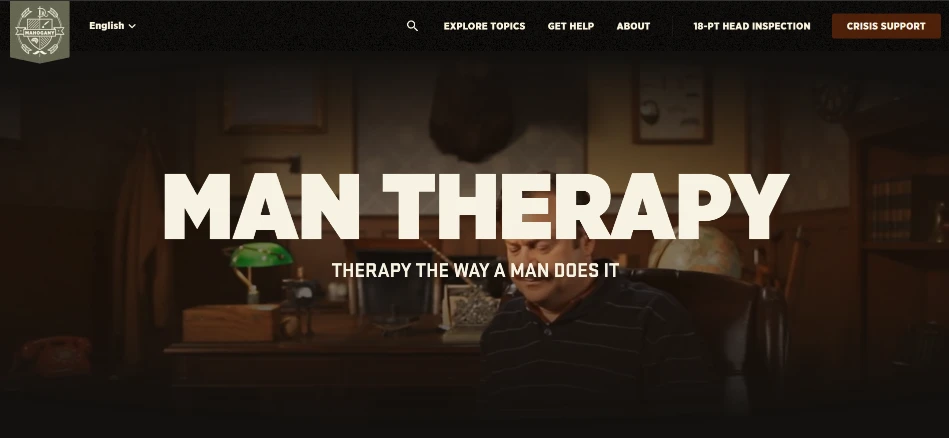
Why it’s great:
- Uses bold typography and warm, masculine colors to appeal specifically to men looking for mental health support.
- Engaging and direct messaging addresses common male mental health issues with humor and seriousness.
- The interactive “Head Inspection” tool encourages visitors to engage actively with their mental wellness.
- The intuitive layout ensures users quickly find resources and therapist locators relevant to their locale.
Website Link: https://mantherapy.org/
#4: Creative Now Therapy & Beyond
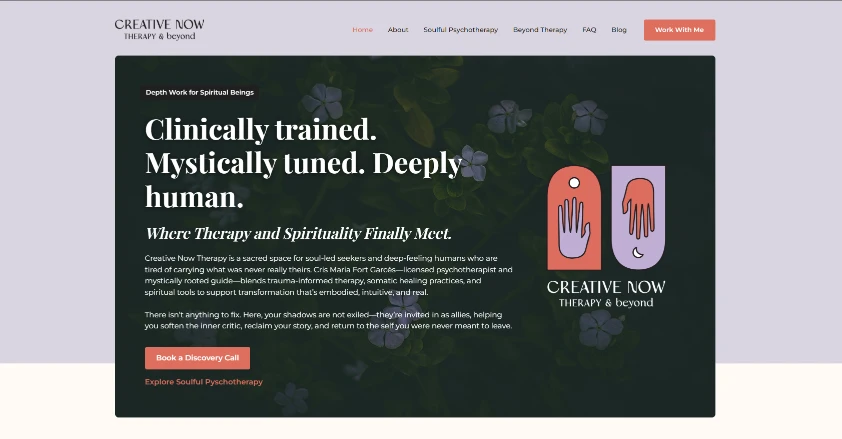
Why it’s great:
- Beautiful, responsive design that looks great and functions well on all devices
- Clear presentation of specialized therapy services like somatic, gestalt, eco-art, and spiritual psychotherapy
- Minimalistic, well-organized layout that makes it easy for visitors to explore and understand offerings
- Compassionate and inclusive tone that creates a welcoming and safe space for diverse clients
Website link: https://www.creativenowtherapy.com/
#5: Her Space Therapy
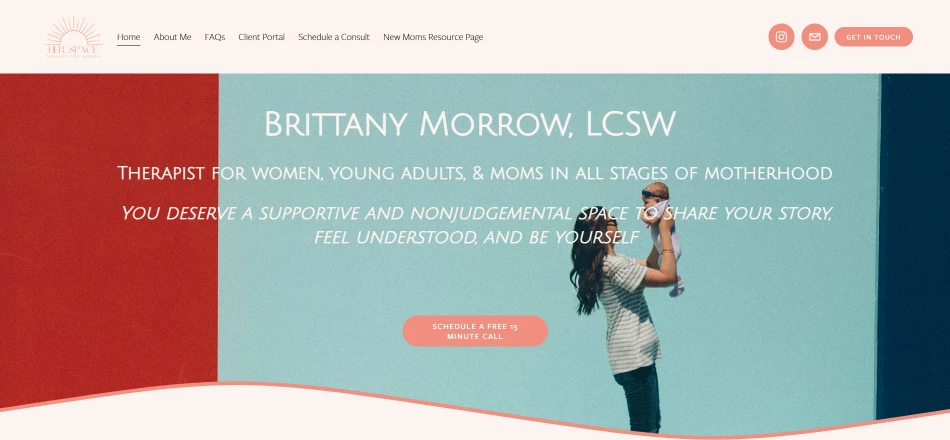
Why it’s great:
- Beautiful, responsive design with a calming and inviting color palette that works well across devices
- Clear presentation of specialized therapy services for women, young adults, and moms, making it easy for visitors to understand offerings
- Simple, intuitive layout that guides visitors naturally through the site without overwhelming them
- Warm, supportive tone that creates a safe and nonjudgmental space, encouraging visitors to reach out and book a consultation
Website Link: https://www.herspacetherapy.com/
#6: Ellie Mental Health
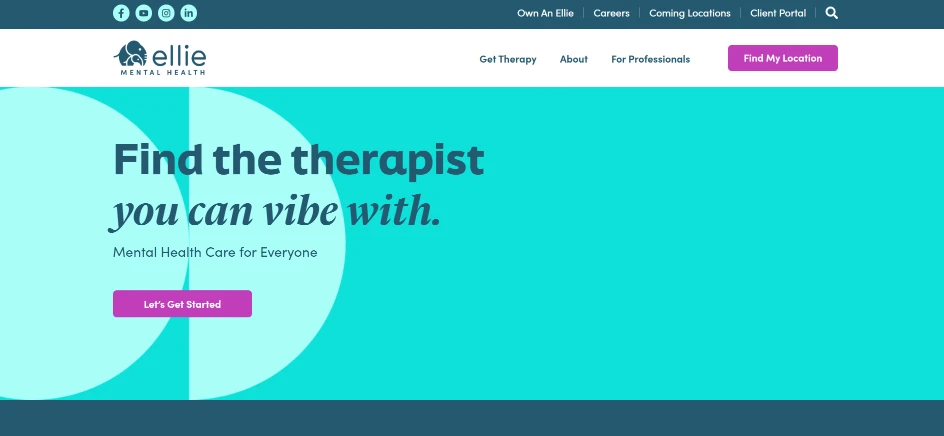
Why it’s great:
- Beautiful, modern, and responsive design that works seamlessly across devices, creating a welcoming and accessible environment
- Clear, client-focused navigation that makes it easy for visitors to find therapists, request appointments, and understand therapy options
- Emphasis on personalized care with “find your perfect therapist match” feature, building trust and connection before the first session
- Rich, authentic client testimonials that strengthen credibility and showcase effective therapy outcomes across a wide range of specialties
Website Link: https://elliementalhealth.com/
Why Is a Great Therapist Website So Important in 2026?
- Most client journeys begin with online searches like “psychotherapist near me,” or “Therapist for anxiety in [City],” or “online counseling for trauma.”
- Your website must communicate your services, specialties, and unique value in a professional yet approachable way.
- Intuitive navigation and compelling calls-to-action help guide visitors into booking consultations.
- Local SEO and long-tail keyword inclusion (e.g., “couples therapy in [Neighborhood]”) boost local visibility.
- Authentic content builds rapport and reduces anxiety for prospective clients.
What Should a Psychotherapist Website Design Include?
Clear and Professional Design
Clear and professional design ensures your psychotherapy website communicates trust and credibility immediately. A well-designed site reflects your brand consistently through colors, typography, and imagery. It guides visitors smoothly, making information easy to find and interactions intuitive.
Good website designers focus on clarity, spacing, and hierarchy to highlight key messages without overwhelming users. They ensure the site works seamlessly across devices and loads quickly.
Worth Reading: 5 Website Mistakes that are costing therapists new clients
This combination of aesthetics and usability builds confidence in your brand, showing visitors that you are competent, attentive, and reliable.
User-Friendly Navigation
User-friendly navigation helps visitors find what they need without frustration. Clear menus, logical page structures, and intuitive links guide users through the site efficiently.
A good website designer organizes content hierarchically, highlights important pages, and minimizes unnecessary clicks. They ensure navigation works consistently across devices and that search functions or shortcuts are available when needed.
By making information easy to access, the site keeps visitors engaged, reduces bounce rates, and increases the likelihood of conversions or inquiries.
Client Success Stories
Client success stories show real results and build trust with visitors. Testimonials, reviews, and case studies highlight how your products or services helped previous clients. They provide social proof that your business delivers on its promises. Properly showcased success stories increase credibility, encourage engagement, and support conversions.
Clear Calls-to-Action (CTAs)
Clear calls-to-action guide visitors to take desired steps, such as scheduling a consultation, signing up for a newsletter, or making a purchase. Effective CTAs use direct, concise language and stand out visually on the page. They reduce confusion and make the next action obvious, improving engagement and conversion rates. By placing CTAs strategically throughout the site, you encourage visitors to interact with your business and move smoothly through the customer journey.
Worth Reading: An Ultimate Guide to Attracting More Clients
Credentials and Specialties
Displaying credentials and specialties shows visitors your qualifications and areas of expertise. Sharing your training, certifications, and specific focus areas builds transparency and trust. It reassures potential clients that they are working with a knowledgeable professional. Clear presentation of this information helps visitors quickly understand your strengths, making them more likely to engage with your services.
Educational Resources
Educational resources provide value to visitors while demonstrating your expertise. Blog posts, FAQs, and downloadable guides help users understand your services, solve problems, or make informed decisions. This content positions you as a knowledgeable authority in your field, encourages return visits, and increases engagement. By offering useful information, you build trust and create opportunities for visitors to convert into clients.
Worth Reading: Do You Need a Blog on Your Therapy Website?
Contact and Booking Ease
Contact and booking ease ensure visitors can reach you quickly without frustration. Displaying phone numbers, email addresses, and booking options prominently makes communication straightforward. Online booking tools or forms should be simple, intuitive, and mobile-friendly. When visitors can contact you or schedule appointments effortlessly, it increases engagement, reduces drop-offs, and improves the likelihood of securing clients.
Conclusion
These six psychotherapist website designs exemplify how design, content, and SEO come together to create not just an informative space, but an inspired, welcoming gateway that converts visitors into clients. If you’re ready to build or refresh your therapy website to reflect the unique heart of your practice, working with a designer who truly understands the therapeutic space can make all the difference in creating that authentic connection online. With expertise tailored specifically for therapists and coaches, professional web design transforms your vision into an inviting, effective website that works as hard as you do.
Frequently Asked Questions About Therapist Websites
What Makes a Therapist Website Stand Out in 2026?
A standout therapy website blends professionalism with a warm, personal touch. It communicates services, uses user-centric navigation, includes geo-targeted keywords, and integrates seamless booking.
How can I get more clients as a therapist in the USA?
Incorporate location-specific keywords such as “therapist in [City]” or “online counseling for [Region] clients” naturally within your pages. Include your office address and phone number prominently, preferably with a Google Maps embed. Local testimonials and blog posts about community-specific mental health topics can build further local relevance. Ensuring your site loads quickly and is mobile-friendly also enhances your local search rankings.
How Do I Encourage Website Visitors to Book a Session?
Strong, clear calls-to-action such as “Schedule Your Free Consultation” paired with visible contact info and simple online booking systems reduce friction and build trust.
What Content Should I Feature to Educate and Engage Visitors?
Your website should have content that clearly explains your services and specialties (e.g., anxiety therapy, couples counseling, trauma recovery). Include an About page with your story and credentials to build a connection. A FAQ section addressing common client concerns about therapy sessions and costs helps reduce barriers. Providing educational blog articles or resources also establishes your expertise and keeps visitors engaged.
What features should a professional therapist’s website have to attract more clients?
A professional therapist’s website should feature a clean, calming design that builds trust and conveys empathy. It needs easy navigation so visitors can quickly find services, therapist bios, and contact information. Prominent display of credentials and client testimonials also helps reassure visitors. Finally, clear and compelling calls-to-action (CTAs) that invite users to book an appointment or contact you are essential for converting visits into clients.