The health coaching market is growing fast. Projections put it at $30.65 billion by 2032, and the demand is real. Chronic conditions now account for 90% of U.S. healthcare spending, and most of them are tied to daily habits, not genetics. That’s the gap health coaches fill.
But with more coaches entering the field every month, being good at your job is no longer enough on its own. You need people to find you, trust you, and choose you over everyone else offering something similar.
These five tips are what actually moves the needle. Not theory. Not generic advice you’ve already heard. The stuff that works when you apply it consistently.
Quick Takeaways
- Get specific with your niche: Trying to help everyone means you help no one
- Share your real story: Your personal journey is what makes people trust you
- Show your results: Testimonials and case studies do more than any sales pitch
- Pick one platform and do it well: Stop spreading yourself thin across every channel
- Look professional online: Your website is working for you around the clock, so make it count
Tip #1: Find Your Niche and Own It
Why Trying to Help Everyone Backfires
The most common mistake new health coaches make is positioning themselves as a coach for everyone. It feels safe. It feels like you’re keeping your options open. But from a potential client’s perspective, it signals nothing.
Think about it this way. If you’re dealing with gut issues and you find two coaches online, one is a “general wellness coach” and the other specializes in digestive health for busy professionals, who do you call? The choice isn’t even close.
Specificity builds trust before you’ve said a word.
How to Figure Out Your Niche
Start with what you know and what you’ve lived. Ask yourself:
- What health struggles have you personally worked through?
- Which client results genuinely excite you?
- What topics could you talk about for hours without running out of things to say?
- Where do your skills meet a real, paying need?
Then run a quick reality check:
- Are people actively searching for help with this?
- Can you actually reach them, online or offline?
- Will they pay for a solution?
- Is there a gap in what’s currently available?
What a Strong Niche Looks Like
Compare “I’m a health coach” to these:
- Life stage: Perimenopause coach for working women who are done just pushing through it
- Condition-specific: Autoimmune wellness coach for moms who are exhausted and want real answers
- Goal-focused: Plant-based nutrition coach for athletes chasing better performance
- Method-driven: Mindful eating coach helping people quit the cycle of dieting for good
Your niche shapes everything. Where you show up, what you write about, who you partner with, and how people describe you to their friends. Start with one clear focus, build credibility there, and expand when you’re ready.
Tip #2: Build a Personal Brand That Actually Feels Like You
What Personal Branding Actually Means
Personal branding isn’t about listing your certifications or crafting the perfect bio. It’s about letting the right people see who you are, what you care about, and why you do this work. Done well, it’s how someone lands on your website and immediately thinks, “this is the person I want to work with.”
Some coaches feel uncomfortable with this. It can feel self-promotional. But your brand isn’t about your ego. It’s about helping the right people find you instead of someone who isn’t the right fit for them.
Build Your Unique Value Proposition
Your UVP answers one question: why should someone work with you instead of another coach? A strong one covers four things:
- Who you help (your niche, specifically)
- The change you create (real, concrete outcomes)
- How you do it differently (your process or method)
- Why it matters (the bigger transformation behind the result)
Share Your Real Story
People don’t connect with polished. They connect with real. The part of your story where things were hard, where you didn’t have the answers yet, is usually what resonates most. That’s where your ideal clients see themselves.
When you write your about page or introduce yourself on social media, include the struggles you’ve faced, the turning points that changed things, and what you actually believe about health and what it takes to change.
Show Up Consistently
You can’t post once and expect anything to happen. Pick the platforms where your ideal clients already spend time, whether that’s Instagram, LinkedIn, or local community groups, and show up regularly with content that reflects your personality and expertise.
Content that tends to work well:
- Quick, practical tips your audience can use right away
- Behind-the-scenes moments from your coaching practice
- Client wins, with permission
- Your take on health trends or common misconceptions
- Personal stories that teach something useful
Tip #3: Use Social Proof Like a Pro
Why Testimonials Matter So Much
Before trying a new restaurant or buying something online, most people check reviews. Your potential clients do exactly the same thing before reaching out to a coach. They want proof that you actually get people results, not just that you seem nice and knowledgeable.
Strong social proof turns hesitant browsers into booked clients.
How to Collect Testimonials That Actually Help
Don’t wait for testimonials to show up on their own. Ask for them at the right moments:
- Right after a client has a breakthrough
- At the end of a coaching program
- When someone tells you how much things have improved
- After they’ve hit a specific goal you worked toward together
The best testimonials include specific results, not just “she’s amazing.” Ask better questions to get better answers. Instead of “how was your experience?” try “what specific changes have you noticed since we started working together?”
A strong testimonial covers where the client started, what was holding them back, and what shifted after working with you. Emotional honesty alongside practical outcomes is what makes them land.
Go Beyond Written Testimonials
Video testimonials tend to convert better than written ones because people can hear the emotion and see the person behind the words. You don’t need a production setup. A short phone video from a happy client is worth far more than a polished quote on a webpage.
On social media, share wins when clients give you permission. Screenshots of genuine messages, before and after results, quick shoutouts. The more real evidence people see, the easier it becomes for new clients to say yes.
Build Case Studies for Bigger Impact
Case studies take testimonials further by telling the full story. A good one follows this structure:
- The situation: Where the client started
- The challenge: What was holding them back
- The solution: How you worked together
- The results: Specific, measurable outcomes
- The impact: How their day-to-day life changed
Use these on your website, in emails, or as standalone blog posts. They’re one of the most effective tools for showing people what’s actually possible.
Tip #4: Master One Marketing Channel Before Adding Another
Stop Trying to Be Everywhere at Once
A lot of coaches spread themselves across Instagram, Facebook, LinkedIn, TikTok, YouTube, and a podcast simultaneously. The result is usually mediocre content on every platform and burnout within a few months.
Being genuinely good on one platform beats being forgettable on five.
Choose the Right Channel for Your Clients
Pick the platform where your ideal clients actually spend their time:
- Instagram: Visual content, lifestyle focus, younger audiences
- Facebook: Community groups, slightly older demographics
- LinkedIn: Corporate wellness clients, professional audiences
- YouTube: Educational content, strong for long-term SEO
- Email: The most direct line to people who already know you exist
- Local networking: Hard to beat for certain niches and community-based practices
Pick one. Get good at it. Then consider adding a second channel once the first one is actually working.
Pro Tip: Use an Instagram post generator to keep visuals consistent without spending hours on design.
Have a Plan, Not Just a Posting Schedule
Showing up randomly with whatever comes to mind isn’t a strategy. A simple weekly content mix that works:
- Educational posts that teach something genuinely useful
- Personal stories that build connection
- Client results that serve as social proof
- Engagement posts that start real conversations
- Clear calls to action that invite people to take the next step
Batch your content when possible. A focused two-hour block once a week beats scrambling to post something every day.
Engage, Not Just Post
Most coaches post and then disappear. Social media only works if you’re actually social. Respond to comments. Reply to DMs. Join conversations in your niche. The relationship-building happens in the back-and-forth, not just the content itself.
Spend at least as much time engaging as you do creating. Track what actually gets traction and do more of that. You don’t need complicated analytics. Just pay attention to what leads to real conversations and inquiries.
Tip #5: Invest in Your Professional Online Presence
Your Website Is Working While You Sleep
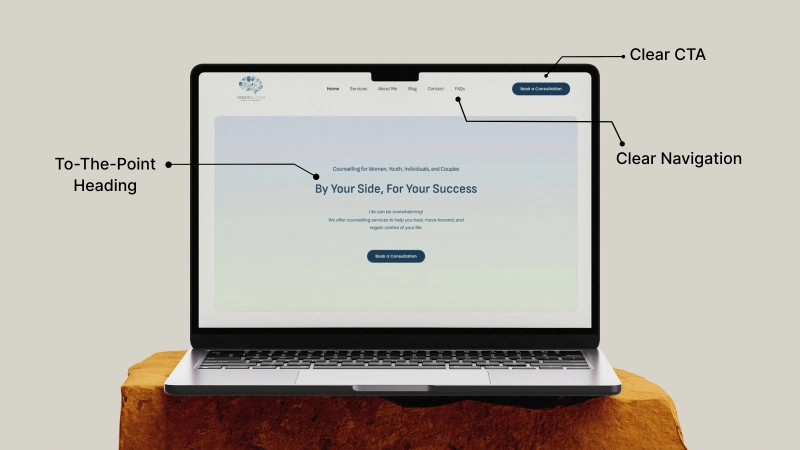
Your website is the one part of your marketing that runs around the clock without you. But a poorly built site doesn’t just fail to attract clients. It actively pushes them away. People make credibility judgments in under a second based on how a site looks and feels.
A professional health coach website needs to cover the basics well.
Essential pages:
- A homepage that clearly explains what you do and who you help
- An about page with your story and relevant background
- A services or packages page
- A testimonials or results page
- A blog for ongoing content
- A contact or booking page
Technical requirements:
- Mobile-friendly design (most people browse on their phones)
- Fast load speed (under three seconds)
- Clear navigation (visitors shouldn’t have to hunt for information)
- HTTPS security
- A simple booking system that removes friction
Template vs. Custom Design
A template website can work when you’re just starting. But as your practice grows, a custom design built specifically for your niche and brand will attract better clients and convert more visitors. It stops looking like a placeholder and starts working like a real business asset. I build websites specifically for coaches, so feel free to reach out when you’re ready for that.
Blogging Still Works in 2025
Consistently publishing helpful content does several things at once. It improves your Google rankings, demonstrates expertise, builds trust with people who aren’t ready to book yet, and gives you content to repurpose across social media.
Topics that bring in the right readers:
- Common questions people in your niche are actually searching
- Misconceptions about the health topics you work with
- Practical tips they can apply immediately
- Explanations of your approach and how you work
- Client success stories
Aim for at least two posts a month. Quality matters more than volume, but you need enough consistency for it to compound over time.
Make Booking as Easy as Possible
Every extra step between “I’m interested” and “I’ve booked a call” costs you potential clients. Use scheduling software like Calendly or Acuity and put the booking link somewhere obvious. Fewer steps means more calls booked.
Develop Your Signature Coaching Method
Having a named framework or method sets you apart immediately. It gives people something concrete to hold onto when they’re trying to understand what makes you different. The coaches with the strongest reputations almost always have a consistent approach they can point to and explain clearly.
Developing yours doesn’t have to be complicated:
- Reflect on what consistently gets results for your clients
- Identify your core beliefs about health and lasting change
- Break your process into clear stages someone could follow
- Give it a name that’s simple and memorable
- Reference it consistently across your website, content, and conversations
The name matters less than having something consistent to point to. “The Four Pillars of Sustainable Wellness” and “The Energy Restoration Protocol” both work. What matters is that you use it consistently and it becomes associated with you.
Once you’ve built something that works, document it, create resources around it, and consider trademarking the name if it becomes central to your brand.
Build Strategic Partnerships
Other health professionals aren’t your competition. They’re potential referral partners who can send you clients you’d never reach on your own.
Good partnership opportunities include nutritionists, personal trainers, mental health therapists, functional medicine doctors, yoga and meditation teachers, and corporate wellness programs. Coaches in complementary niches are also worth connecting with.
The best way to build these relationships is to give first. Refer clients when someone else is a better fit. Share their content. Recommend their work. What tends to develop from that foundation:
- Guest appearances on each other’s platforms
- Co-hosted workshops or webinars
- Mutual referral arrangements
- Bundled service offerings
- Collaborative content that reaches both your audiences
Keep Learning, But Don’t Get Stuck in Student Mode
The health and wellness field changes. New research comes out. Best practices shift. Continuing education keeps you sharp and helps you offer better support to your clients.
Worth investing in: advanced coaching techniques, condition-specific knowledge relevant to your niche, behavior change psychology, and basic business and marketing skills.
That said, a lot of coaches fall into the trap of collecting certifications instead of actually coaching. More credentials don’t automatically bring more clients. At some point you have to stop studying and start doing. Get the foundational training you need, then build your skills through real experience with real clients.
Price Based on Transformation, Not Time
Undercharging is one of the most common and damaging things coaches do early on. When you charge too little, you attract clients who don’t value the work, and you burn out trying to hit a livable income at low rates.
Package your services instead of charging hourly. A good structure typically looks like this:
- An introductory or discovery offer with a lower barrier to entry
- A core coaching package running three to six months
- A premium or VIP option for clients who want intensive support
You can also serve people at different investment levels. One-on-one coaching at your full rate, group programs at a mid-range price, digital courses or workshops as an accessible entry point, and free content that builds your audience. This isn’t about discounting yourself. It’s about meeting people where they are financially while protecting the value of your higher-tier work.
Build Your Email List From Day One
Social platforms change. Algorithms shift. Accounts get restricted or shut down. Your email list is the one audience you actually own, and nobody can take it away from you.
Start building it immediately, even with ten subscribers. Offer something genuinely useful in exchange for signing up. Lead magnets that work well for health coaches:
- A practical guide or short ebook
- Meal plan templates
- A short challenge like a five-day energy reset
- A quiz or assessment
- A recipe collection specific to your niche
Once people are on your list, send regularly. Valuable tips, personal updates, relevant resources, and occasional offers. A useful ratio: provide value 80% of the time and make offers 20% of the time. If you’ve been consistently helpful, your list will be ready when you invite them to work with you.
Handle Objections Before They Come Up
Every potential client has hesitations. The ones who don’t reach out usually have one of these running through their head:
- “I can’t afford this right now.”
- “I don’t have time.”
- “Will this actually work for me specifically?”
- “I’ve tried things before and they haven’t worked.”
Address these in your website copy, your social content, and your emails before people ever get on a call with you. For cost concerns, show the real cost of staying stuck. For time concerns, explain how accountability and clarity actually save time. For doubt, let your testimonials and case studies do the heavy lifting. For past failures, acknowledge the frustration and explain what makes your approach genuinely different.
When people feel like their concerns have already been heard before the first conversation, far more of them follow through.
Track What Actually Matters
You don’t need a complicated analytics setup. You just need to pay attention to a few numbers each month:
- New leads coming in
- Conversion rate from leads to clients
- Client retention rate
- Revenue per client
- Email open and click rates
- Where your website traffic is coming from
Notice the trends. Double down on what’s working. Cut what isn’t. And ask your current clients regularly what’s going well, what could be better, and what results they’re actually seeing. Numbers tell part of the story. Direct feedback tells the rest.
Take Care of Your Own Health
This one sounds obvious but it’s easy to skip when things get busy. You can’t show up fully for clients when you’re running on empty. Your energy, your presence, and your ability to hold space for difficult conversations all depend on how well you’re taking care of yourself.
Treat your own non-negotiables the way you’d treat a client’s protocol. Regular movement, enough sleep, food that actually nourishes you, real time off, and clear working hours that don’t bleed into everything else. Healthy boundaries make you a better coach. They also model exactly what you’re trying to help your clients build in their own lives.
The Bottom Line
Standing out as a health coach isn’t about having the most certifications or the biggest following. It comes down to being clear about who you help, showing up consistently as yourself, and giving people enough evidence to trust you before they ever send a message.
Get specific with your niche. Build a brand that actually sounds like you. Let your clients’ results speak for you. Pick one marketing channel and do it well. And invest in a website that works as hard as you do.
The coaches who build full practices aren’t doing anything magical. They’re just doing these things consistently, for long enough that it compounds. That’s available to you too.
Frequently Asked Questions
How long does it take to stand out as a health coach?
Most coaches start seeing real traction within six to twelve months of consistent effort. The key word is consistent. Posting sporadically and hoping for results doesn’t work. Show up regularly, provide genuine value, and give it time. The coaches who build strong practices are the ones who stick with it long enough for momentum to build.
Do I need a specific certification to stand out?
Certifications add credibility and give you a solid foundation, but they won’t make you stand out on their own. What differentiates you is your niche, your story, and how clearly you communicate your value to the right people. Reputable credentials from organizations like the National Board for Health and Wellness Coaching or the International Coaching Federation are worth having, but they’re a starting point, not a differentiator by themselves.
How much should I charge for health coaching services?
New coaches typically charge $75 to $150 per session. Experienced coaches with a strong track record often charge $200 to $500 or more. Package pricing for three to six month programs usually falls between $1,000 and $5,000. The most important principle is to price based on the transformation you create, not the hours you spend. Get an itemized proposal in writing so both sides are clear on what’s included.
Can I stand out without spending money on marketing?
Yes. Many coaches build solid practices entirely through content marketing, networking, referral partnerships, and word of mouth. Social media, blogging, and email marketing are all accessible with minimal budget. Paid advertising can speed things up once you’ve proven your offer works, but it’s not a requirement, especially early on.
What’s the biggest mistake health coaches make when trying to stand out?
Trying to appeal to everyone. When your message is broad enough to include anyone, it doesn’t actually speak to anyone. The coaches who grow fastest are usually the ones who got specific early and committed to it, even when it felt risky. A focused message always outperforms a vague one. Stop worrying about who you might exclude and start speaking directly to the people you’re actually trying to help.
If this was useful, share it with another coach who might need it. The more people doing this work well, the better.